No. Nano Banana 2 is Gemini 3.1 Flash Image, Google’s versatile balance of intelligence, speed, quality, and cost. Nano Banana Pro is the separate Gemini 3 Pro Image model for more demanding professional asset production.


Nano Banana 2
Nano Banana 2 on APIXO maps to Google’s stable Gemini 3.1 Flash Image model, the high-efficiency counterpart to Gemini 3 Pro Image. It supports prompt-led creation and natural-language editing with up to 14 image inputs, improved multilingual text rendering, stronger visual consistency, 1K–4K output, and extreme panoramic framing for high-volume image workflows.
Create with Nano Banana 2

Capabilities
More control over detailed prompts, references, and layouts
Multi-Constraint Prompts
Follow layered directions covering subjects, actions, lighting, spatial relationships, camera choices, and layout requirements more reliably than earlier Flash image generation.
Natural-Language Editing
Add, remove, restore, replace, or restyle visual elements through written instructions. APIXO exposes no mask field, so the prompt must clearly identify the intended edit.
Multi-Image Composition
Combine several supplied images as multimodal context for composite scenes, coordinated assets, product arrangements, or subject-led creative concepts.
Subject and Object Consistency
Carry recognizable subjects and objects across changed environments and compositions with improved consistency, without guaranteeing exact identity or geometry.
Multilingual Text Rendering
Produce more reliable embedded text and localized visuals for posters, advertisements, menus, editorial layouts, and interface concepts across multiple languages.
World-Aware Generation
Apply broad world knowledge and spatial reasoning when depicting places, objects, processes, and context-rich scenes. Factual details still require human verification.
APIXO Workflows
Create new imagery or transform supplied visual material
Text-to-Image Generation
Submit a prompt of up to 20,000 characters, then select an APIXO resolution, aspect ratio, and output format. Use this workflow for advertisements, editorial graphics, concept art, product scenes, illustrations, and information-rich layouts without source images.
Create from text
Image-to-Image Editing
Provide one to 14 public, directly accessible image URLs with a required instruction. APIXO supplies these files as editable inputs or general multimodal context rather than separate character-, object-, or style-reference systems. Each request is independent.
Edit with images
APIXO Configuration
Verified output controls
The production options exposed on APIXO’s Nano Banana 2 route.
1–20,000 Characters
Prompt Length
15 Options
Aspect Ratios
1:8 to 8:1
Framing Range
PNG / JPEG / JPG
Output Formats
Async / Callback
Delivery
15 Days
Result URL Retention
Production Uses
Build adaptable assets for campaigns and creative systems

Global Marketing
Localize Complete Advertisements
Translate embedded copy while adapting surrounding imagery for regional audiences. Improved multilingual rendering supports posters and promotional graphics, but teams should verify spelling, line breaks, legal text, logos, and cultural details before publication.
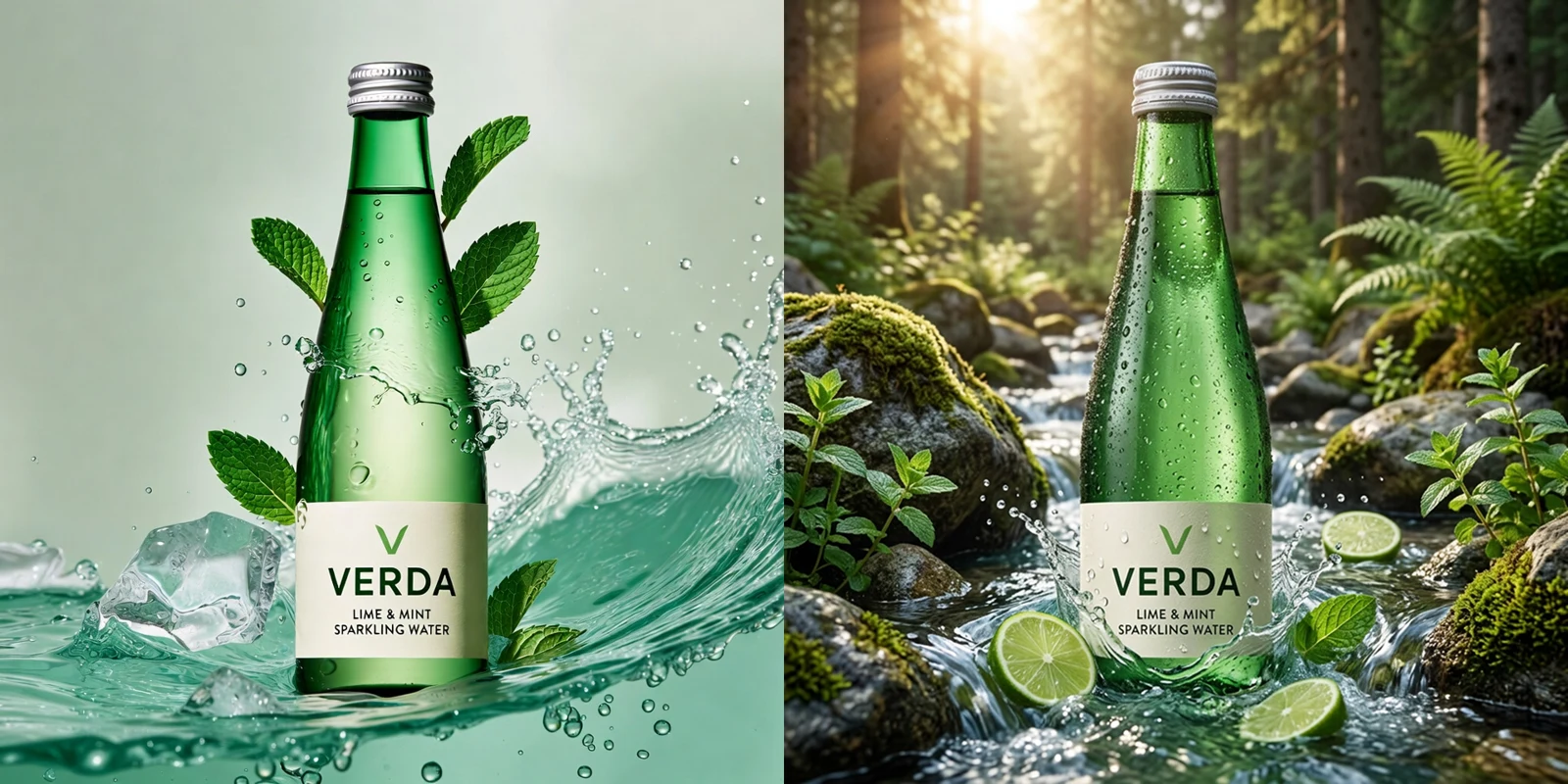
Product Content
Recompose Product Photography
Combine product images, environmental references, and written art direction to explore new campaign scenes. Select higher-resolution output for final candidates while checking packaging, proportions, materials, labels, and geometry against approved source assets.
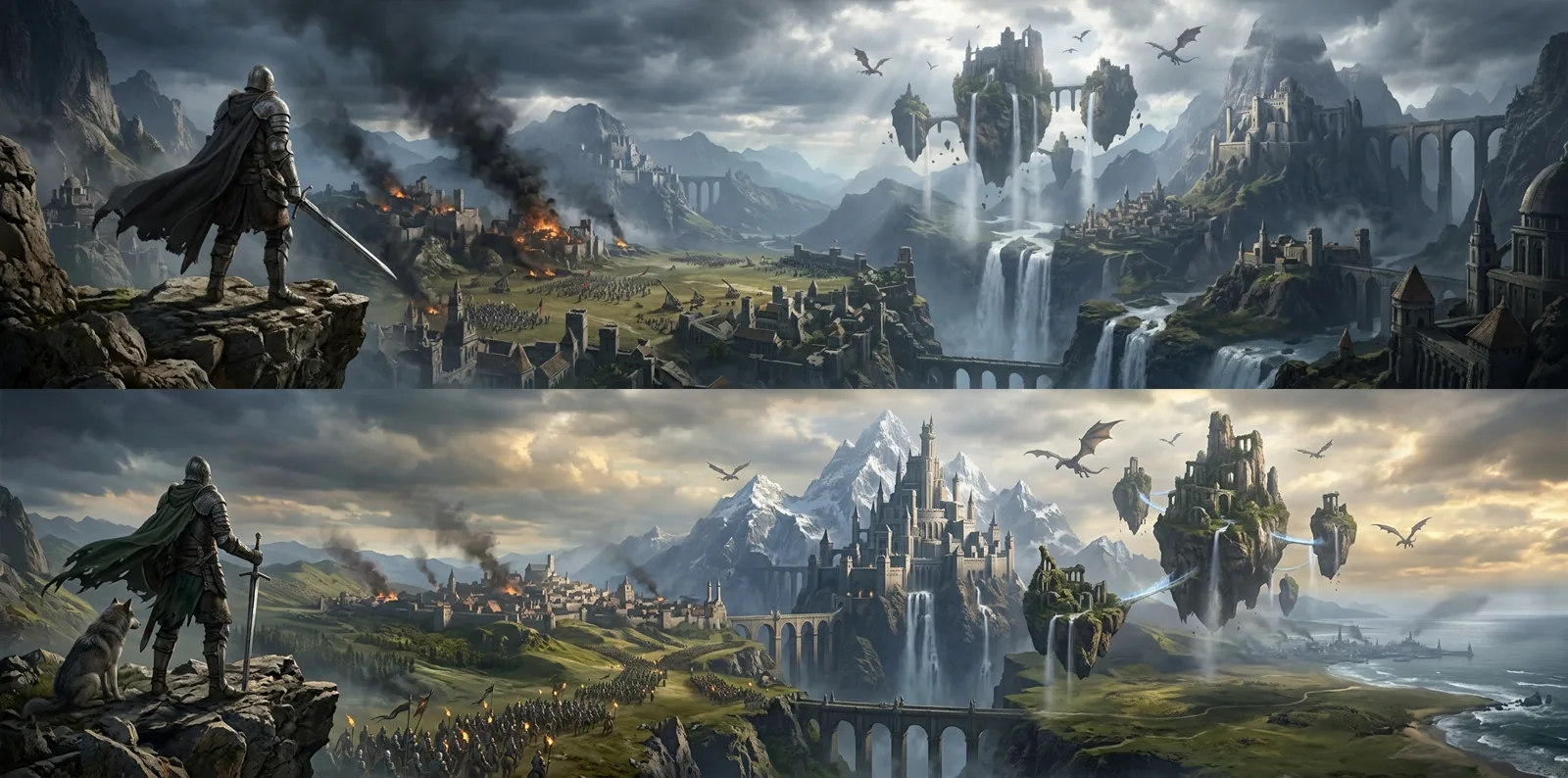
Display Creative
Design Extreme-Wide Assets
Generate conventional layouts alongside 1:4, 4:1, 1:8, and 8:1 compositions for banners, panoramic headers, installations, and specialized display placements without manually extending a standard canvas.
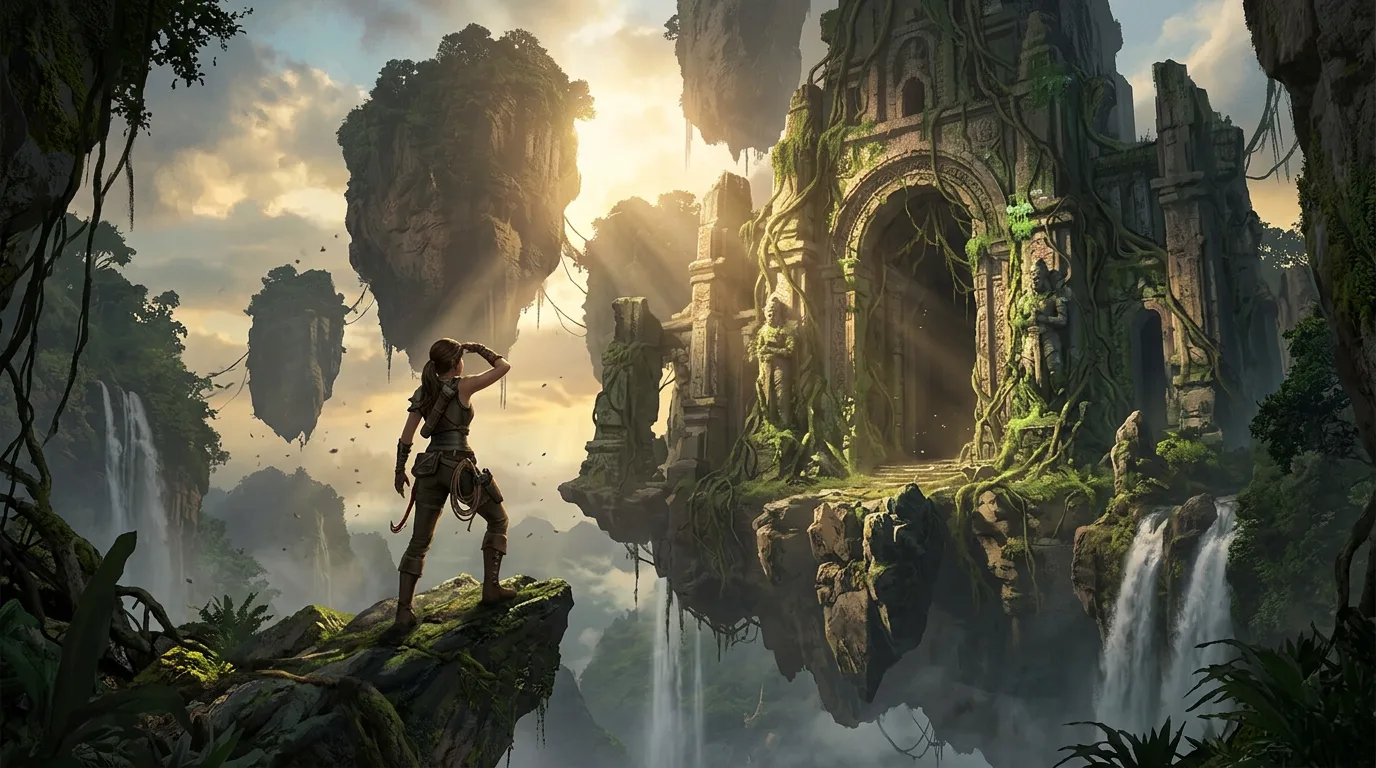
Creative Automation
Produce Structured Variations
Combine detailed prompts and visual inputs to generate campaign variants, story concepts, educational graphics, or editorial assets. Use 1K for economical iteration, then move selected directions to 2K or 4K.
Notes & FAQ
Integration boundaries for Nano Banana 2
Implementation Notes
01
APIXO’s route represents Gemini 3.1 Flash Image, not the original Gemini 2.5 Flash Image, Gemini 3 Pro Image, or Nano Banana 2 Lite.
02
APIXO exposes 1K, 2K, and 4K resolution; Google’s upstream 0.5K option is not available on this route.
03
The APIXO schema only accepts google_search=false. Search Grounding is not available on this route.
04
APIXO exposes no configurable Thinking, seed, mask, transparency, safety-level, or output-count field for this route.
05
APIXO supports asynchronous polling or webhook delivery; completed result URLs remain available for 15 days by default.
06
Google embeds an invisible SynthID watermark in generated images; this is distinct from a visible watermark.
Frequently Asked Questions
The APIXO schema only accepts google_search=false. Search Grounding is not available on this route.
APIXO charges per generated image: 50 Credits at 1K, 80 Credits at 2K, and 120 Credits at 4K. Its public billing documentation lists no additional charge based on mode, reference count, aspect ratio, or output format.
No persistent multi-turn context is documented. Treat every generation as a one-shot task and include the complete prompt and all required source images again when continuing an earlier edit.
Review identity, hands, anatomy, embedded text, translations, factual details, logos, packaging, product geometry, and reference fidelity. Safety filtering can reject content, and repeated requests are not guaranteed to reproduce identical images.
Explore Other Models
Discover more AI models for your next creative workflow

Google


Nano Banana
Nano Banana is available on APIXO for Image. The model page brings examples, creation controls, pricing, and results into one focused workspace.
Image
30 Credits/pic Image
Image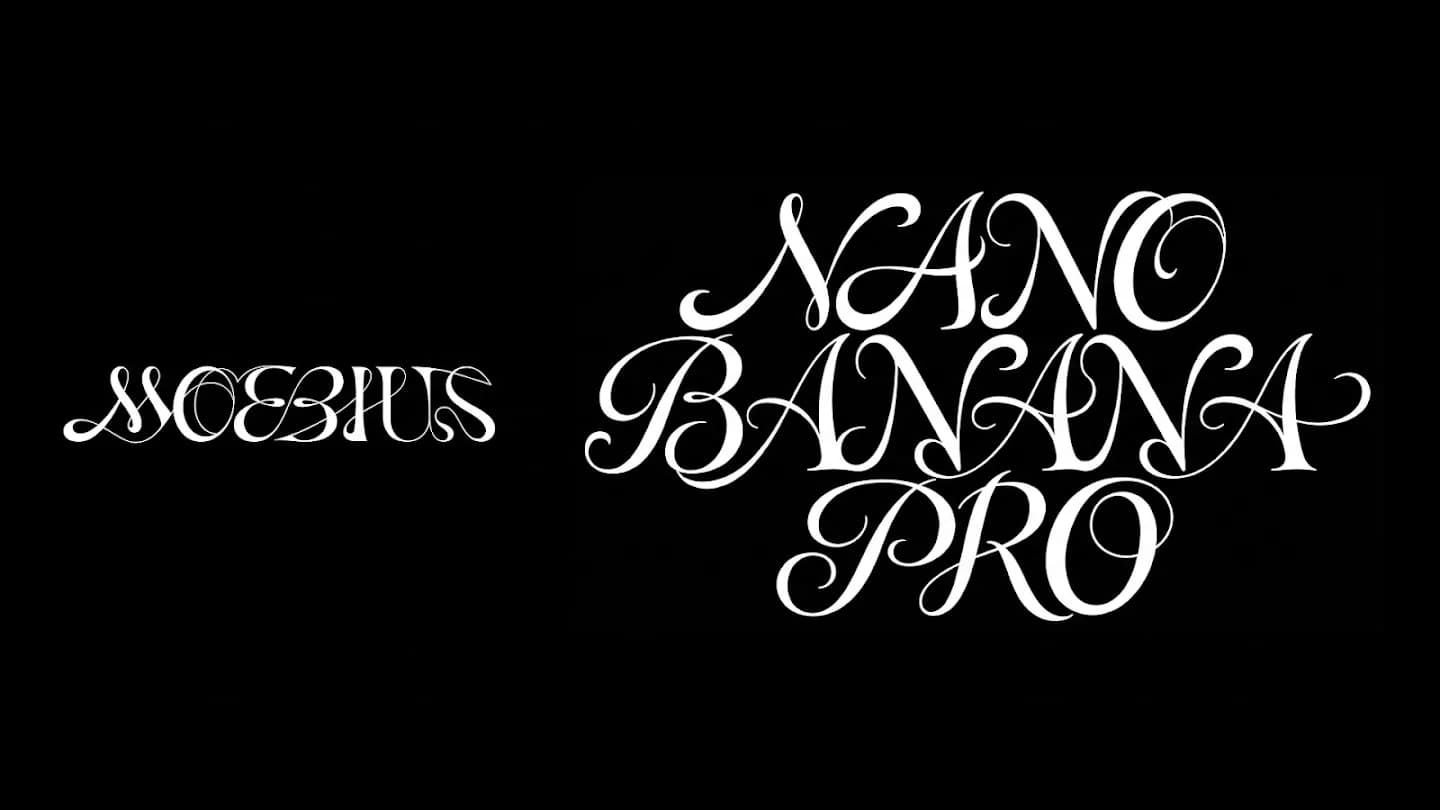
Google

Nano Banana Pro
Nano Banana Pro is available on APIXO for Image. The model page brings examples, creation controls, pricing, and results into one focused workspace.
Image
80 Credits/pic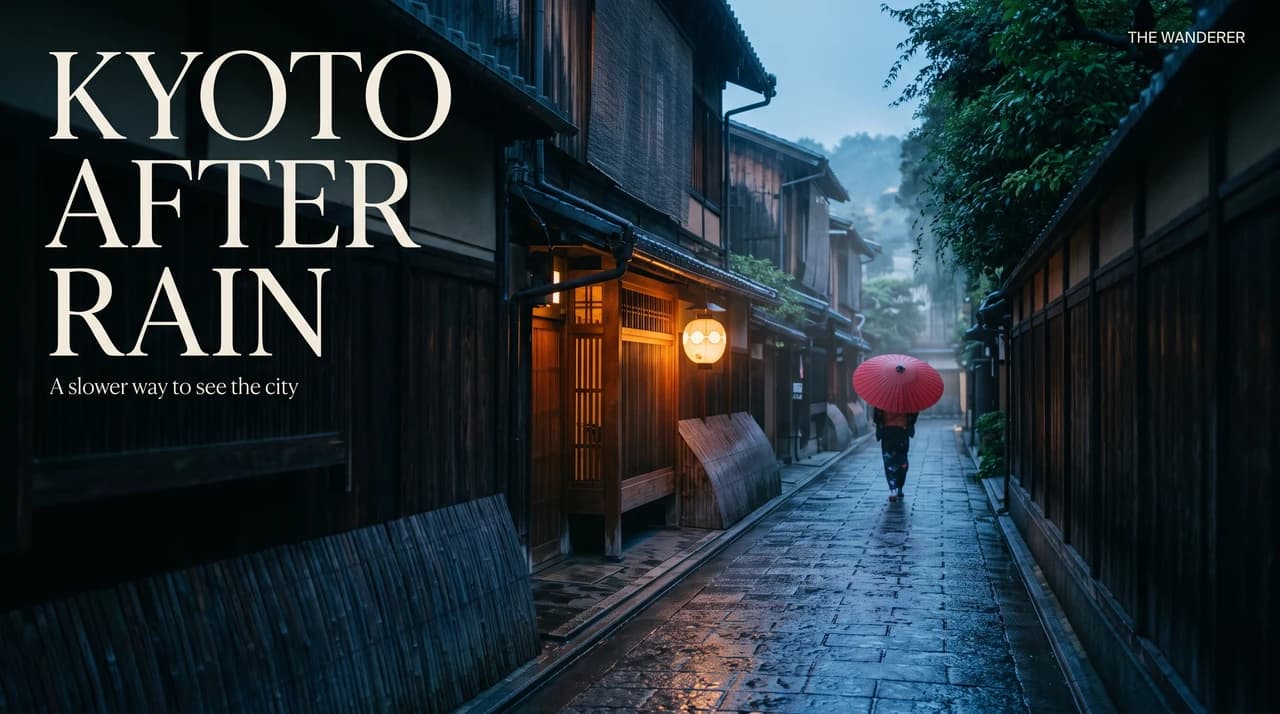
Google
Nano Banana 2.1
Nano Banana 2.1 is available on APIXO for Image. The model page brings examples, creation controls, pricing, and results into one focused workspace.
ImageNew
40 Credits/pic
Black Forest Labs

Flux 2
Flux 2 is available on APIXO for Image. The model page brings examples, creation controls, pricing, and results into one focused workspace.
ImageNew
40 Credits/pic
OpenAI

GPT-Image-1
GPT-Image-1 is available on APIXO for Image. The model page brings examples, creation controls, pricing, and results into one focused workspace.
Image
350 Credits/pic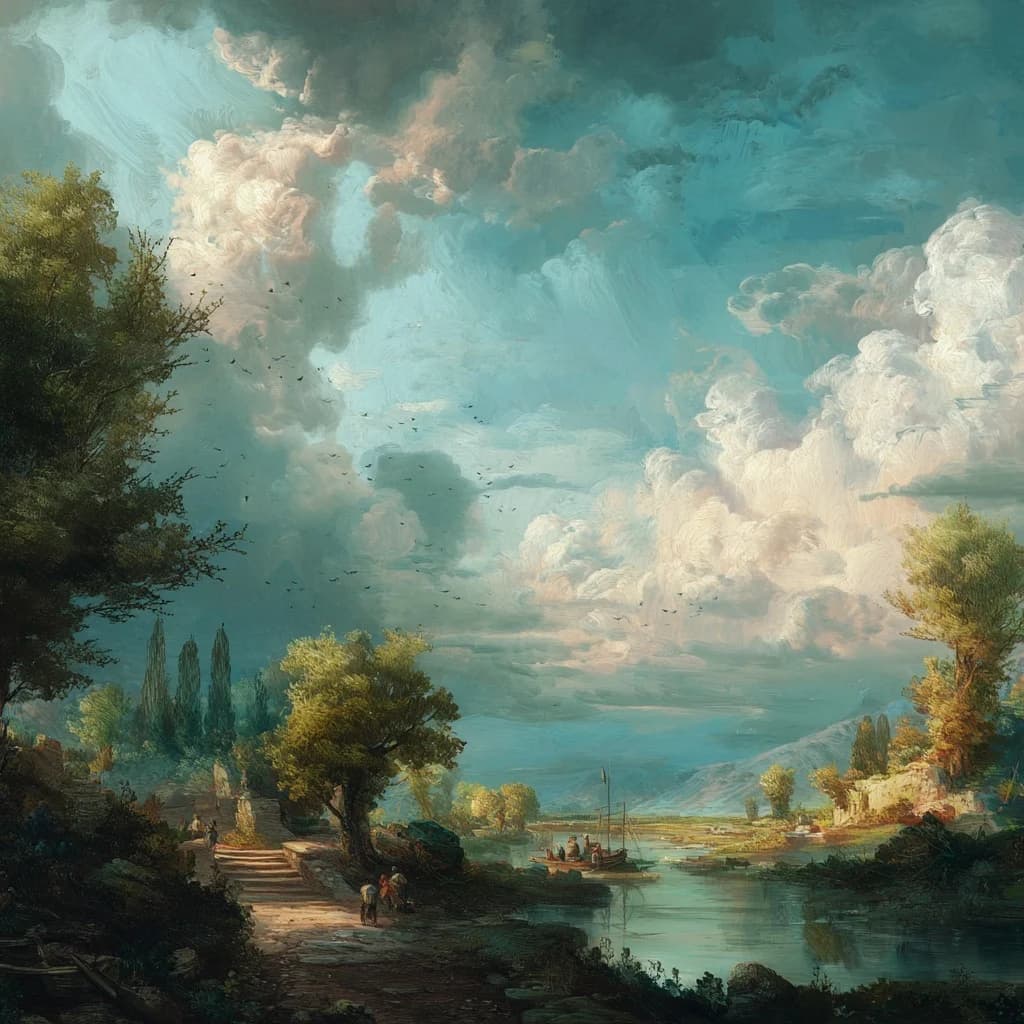
Midjourney

Midjourney
Midjourney is available on APIXO for Image. The model page brings examples, creation controls, pricing, and results into one focused workspace.
Image
100 Credits/request