This page covers OpenAI’s current gpt-image-2 API model and APIXO’s dedicated endpoint for that model. OpenAI also lists the dated gpt-image-2-2026-04-21 snapshot. It does not cover GPT Image 1, GPT Image 1.5, DALL·E, or ChatGPT-only workflows.


GPT-Image-2
OpenAI’s GPT Image 2 generates new images and edits reference visuals with stronger instruction following, refined realism, flexible framing, and improved rendering of dense, multilingual text. Through APIXO, developers can run prompt-only or reference-guided workflows with selectable quality, resolution, and aspect-ratio controls.
Create with GPT-Image-2
Capabilities
More control over complex visual production
Detailed Prompt Following
Translate layered instructions about subjects, composition, lighting, materials, and visual hierarchy into a coherent image. The model is designed to handle greater detail and complexity than earlier OpenAI image generations.
Reference-Guided Editing
Supply existing visuals and describe the intended transformation. APIXO’s image-to-image mode accepts between one and sixteen image URLs, supporting workflows that need broader visual context than a single reference provides.
Dense Text Rendering
Create layouts containing headlines, labels, dialogue, or information-rich copy with improved legibility. Stronger multilingual rendering makes the model useful for editorial graphics, posters, diagrams, and localized campaign concepts.
Refined Visual Realism
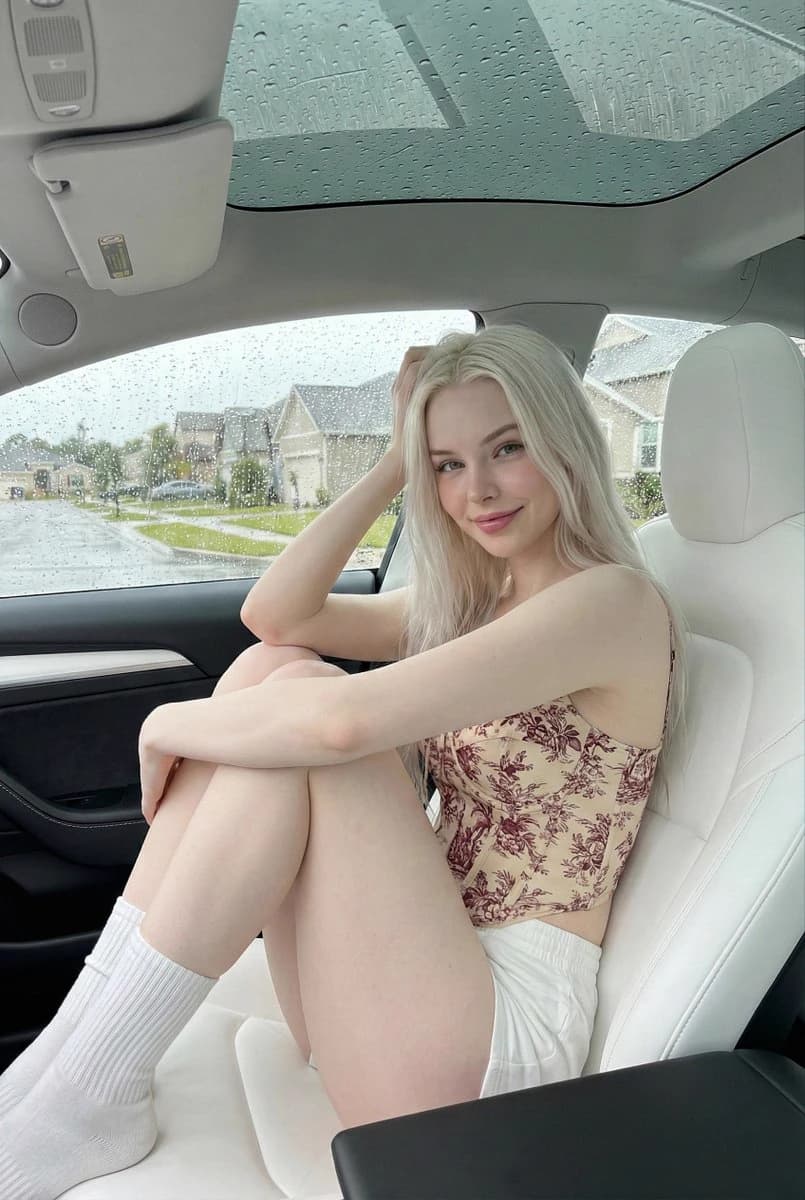
Generate photographic scenes with more convincing detail, lighting, surfaces, and spatial relationships. This supports product concepts, environmental imagery, lifestyle compositions, and other work where visual plausibility matters.
Flexible Composition
APIXO exposes Auto framing, thirteen predefined aspect ratios, and custom WIDTHxHEIGHT sizing. Produce square assets, portraits, landscape banners, panoramic compositions, or dimensions tailored to a specific placement.
Style and Scene Coherence
Develop sophisticated photography, illustration, manga, editorial, and mixed-media directions while maintaining clearer relationships between characters, objects, text, and layout elements within complex compositions.
API Specifications
GPT Image 2 through APIXO
Publicly exposed controls and integration details for the dedicated model endpoint.
1–16 Images
Reference Inputs
13 Presets + Auto
Aspect Ratios
1K / 2K / 4K
Resolution
Up to 20,000 characters
Prompt Length
Low / Medium / High
Quality
Polling or Callback
Delivery
Production Uses
Turn complex briefs into usable visual directions
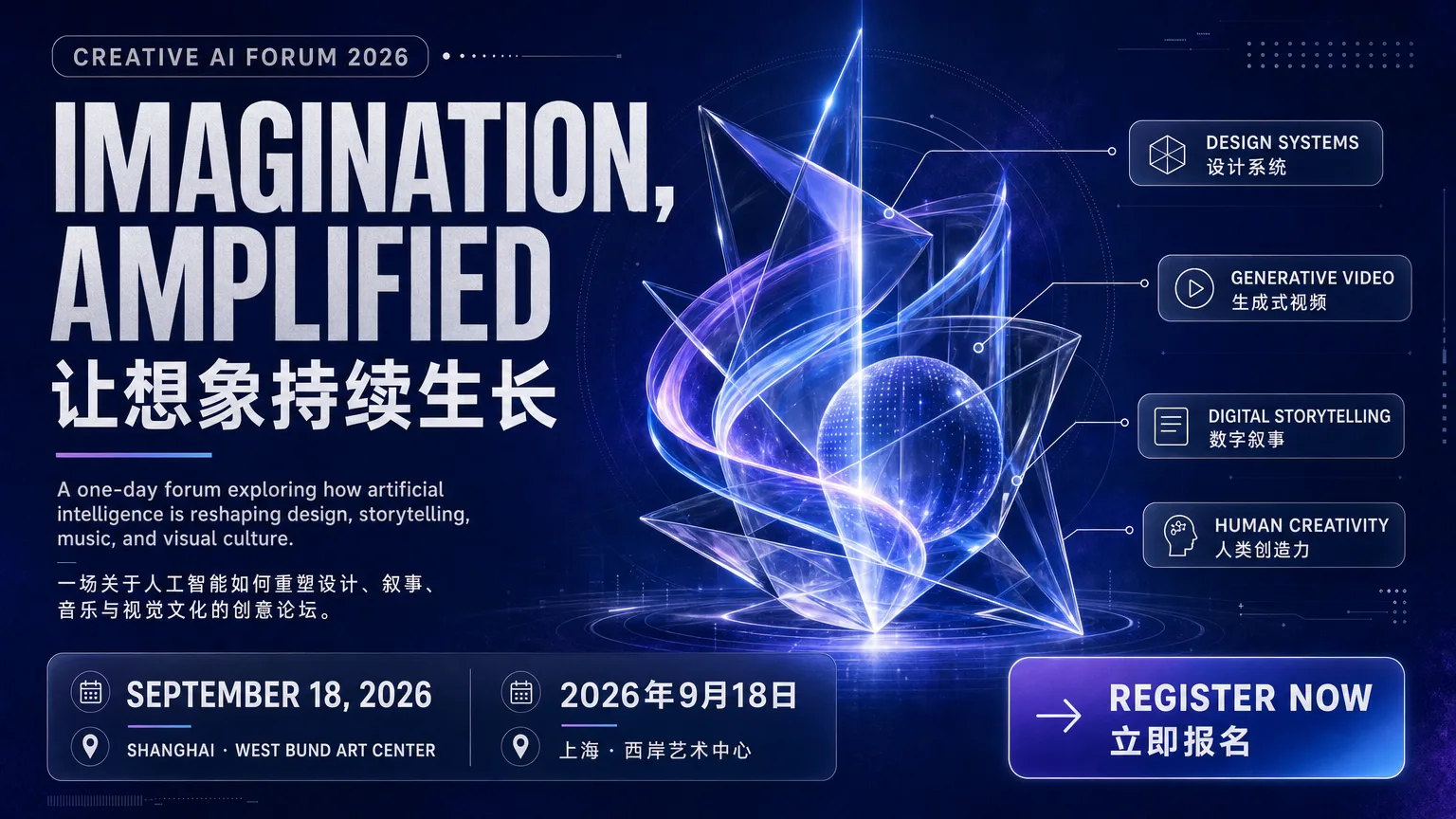
Campaign Design
Multilingual Marketing Graphics
Develop poster, social, display, and editorial concepts that combine imagery with headlines or supporting copy. Improved dense-text and multilingual rendering makes GPT Image 2 especially relevant when language is part of the composition rather than an afterthought.
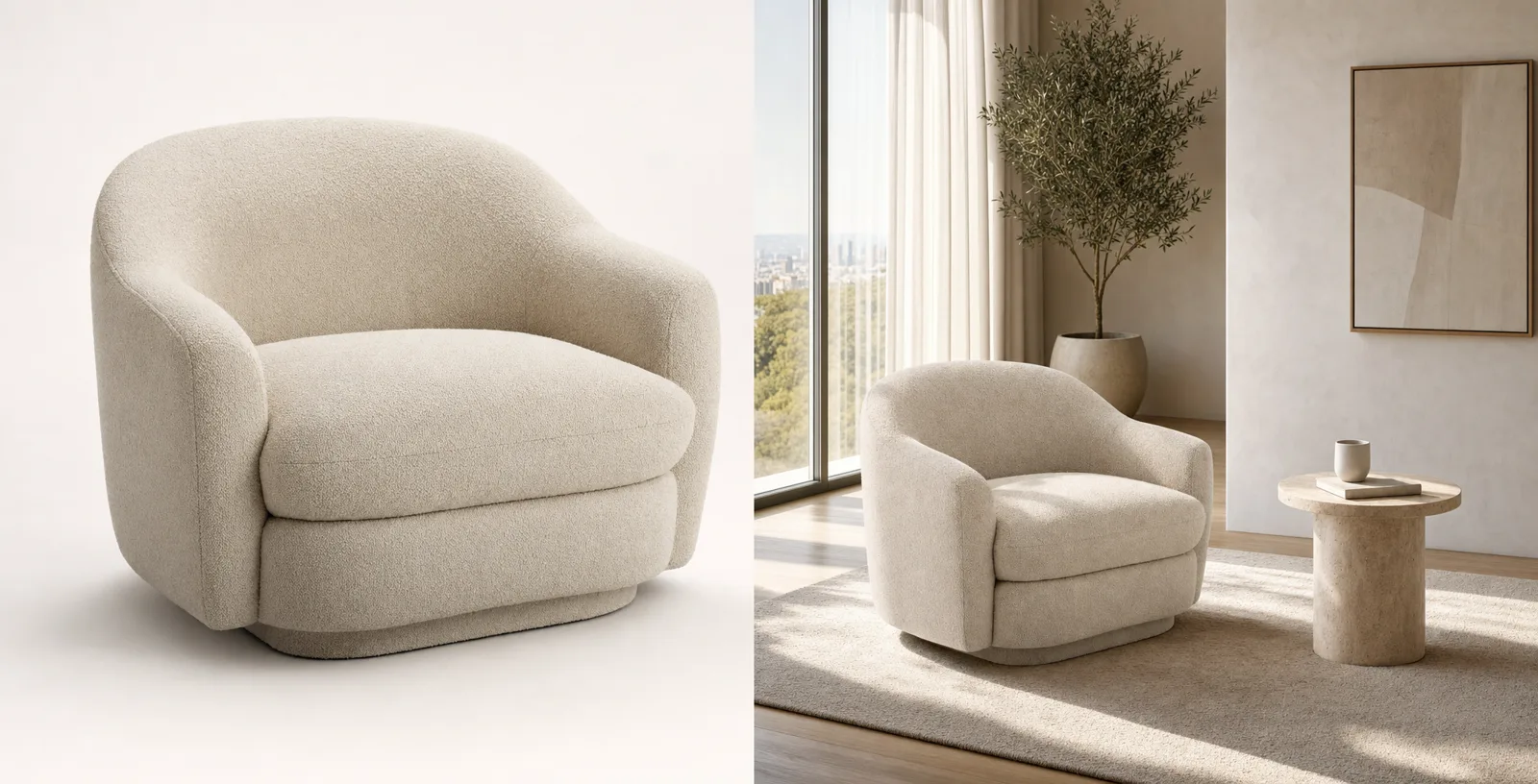
Product Creative
Art-Directed Product Scenes
Generate product hero concepts, lifestyle settings, packaging explorations, and campaign key visuals from detailed creative briefs. Select an APIXO resolution and quality tier that matches rapid ideation, stakeholder review, or higher-fidelity production work.
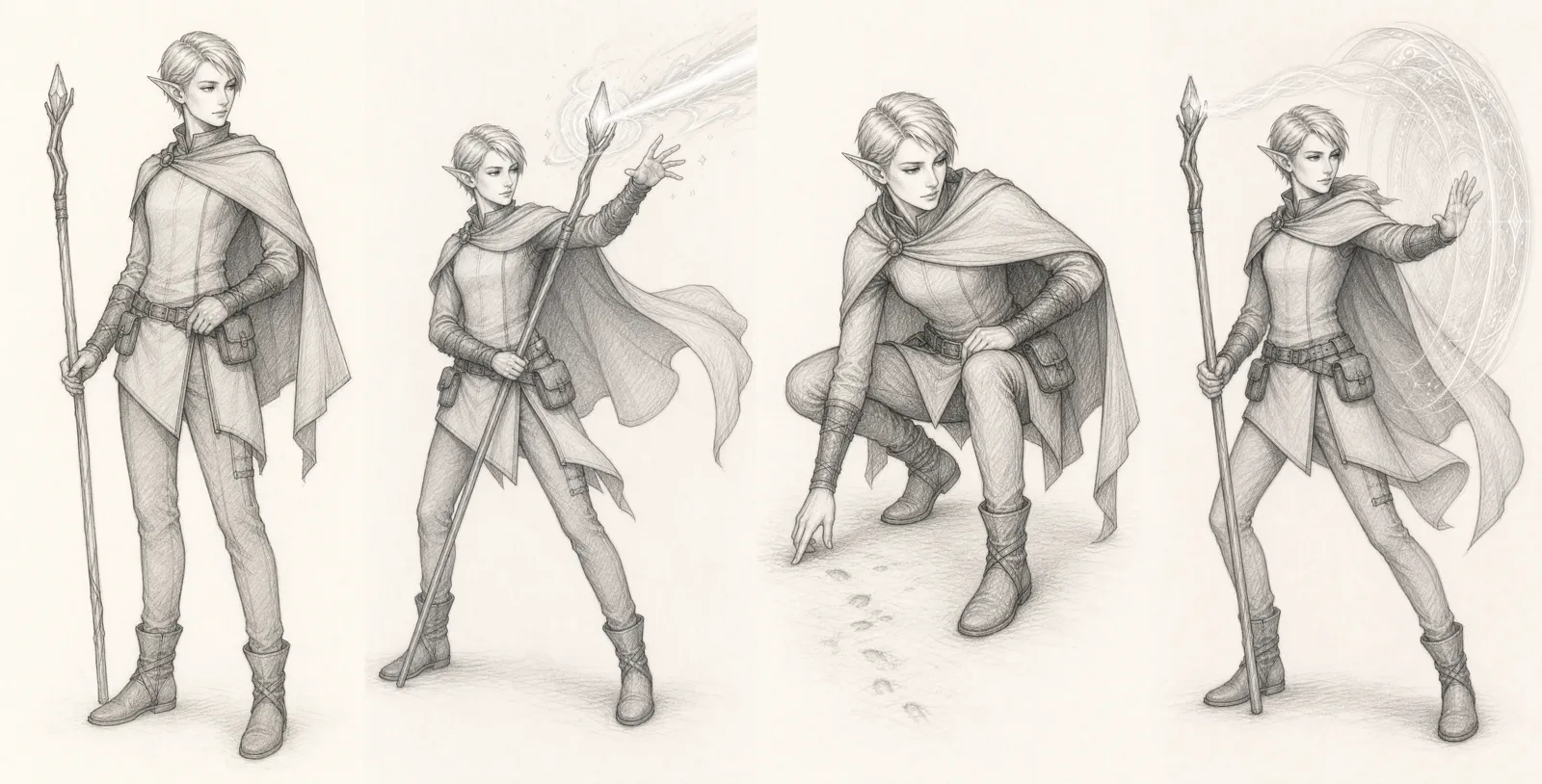
Visual Development
Characters and Narrative Boards
Explore character sheets, comics, sequential concepts, and scene studies that combine expressive styling with dialogue or annotations. Reference inputs can anchor the visual direction while prompts define new actions, settings, and compositions.
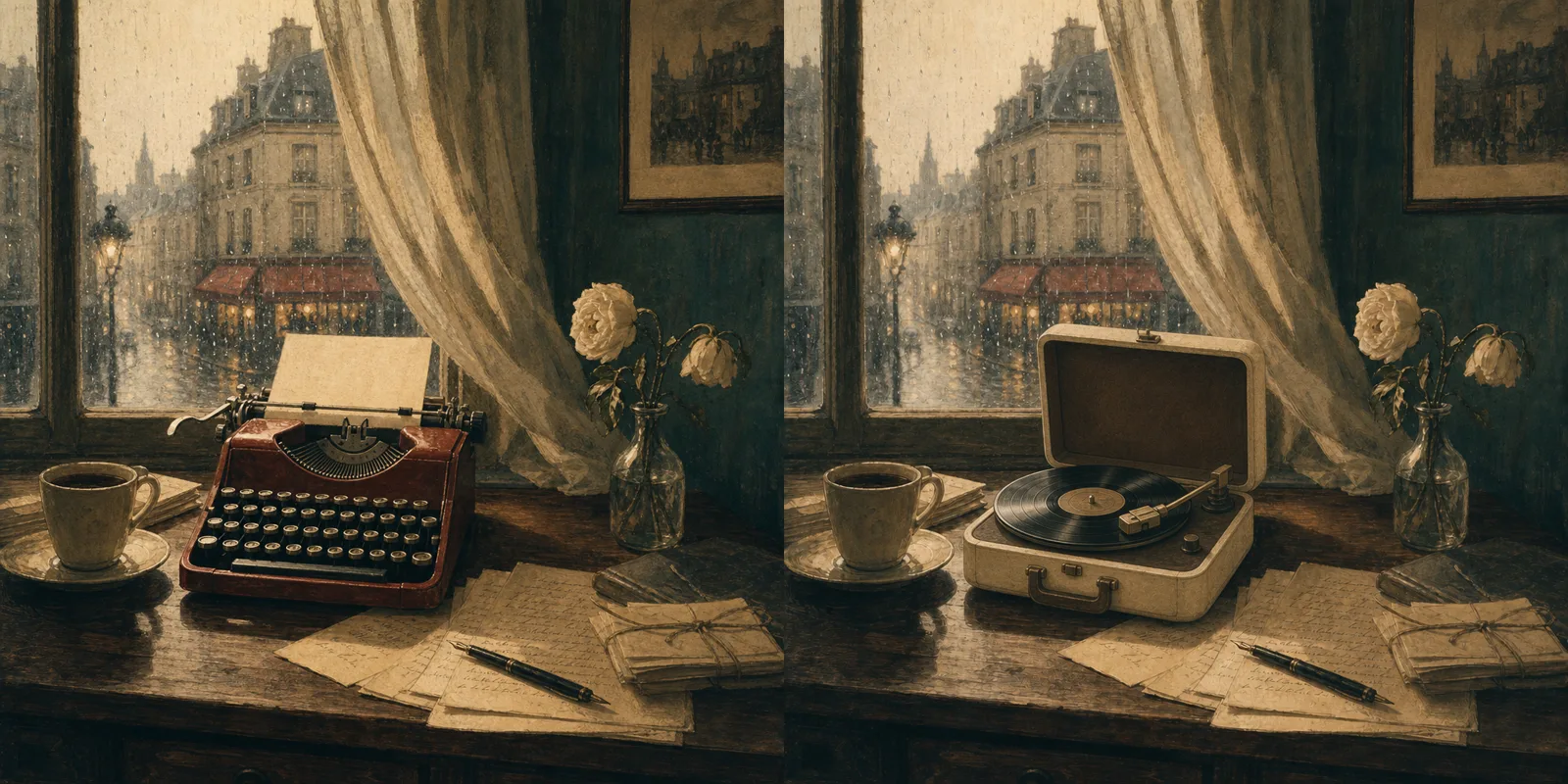
Iterative Editing
Reference-Based Creative Variations
Submit existing brand, layout, photography, or illustration references and request targeted transformations. This workflow suits art-direction exploration and asset variation, although important identity, text, and layout details should still be reviewed before publication.
Integration Notes
Plan reliable GPT Image 2 workflows
Before you generate
01
APIXO requires a prompt in both text-to-image and image-to-image modes.
02
Image-to-image requests require at least one image URL and accept no more than sixteen.
03
APIXO bills each generated image according to the selected quality and resolution tier.
04
Public APIXO controls do not currently expose masks, transparency, output-format selection, or output-count parameters.
05
Processing time varies by resolution; asynchronous clients should use polling or a callback instead of assuming immediate completion.
06
Prompts, reference images, and generated outputs remain subject to applicable safety and moderation policies.
GPT Image 2 questions
Yes. Choose text-to-image to create a new image from a prompt, or image-to-image to guide a transformation with one or more reference URLs. The latter is APIXO’s exposed reference-guided workflow, not a separate FLUX-style editing model.
APIXO exposes 1K, 2K, and 4K resolution tiers, Auto framing, thirteen predefined aspect ratios, and a custom WIDTHxHEIGHT size field. Quality and resolution jointly determine the per-image price.
Not in the publicly documented APIXO schema for this endpoint. Although OpenAI’s broader image API documentation describes masks, transparent backgrounds, and output-format controls, those fields should not be assumed available through APIXO’s gpt-image-2 route.
No. GPT Image 2 improves dense and multilingual text rendering, but spelling, line breaks, typography, brand details, and factual content should still be reviewed. Critical production copy may require prompt refinement, regeneration, or downstream design work.
Explore Other Models
Discover more AI models for your next creative workflow
OpenAI


GPT-Image-1
GPT-Image-1 is available on APIXO for Image. The model page brings examples, creation controls, pricing, and results into one focused workspace.
Image
350 Credits/pic Image
Image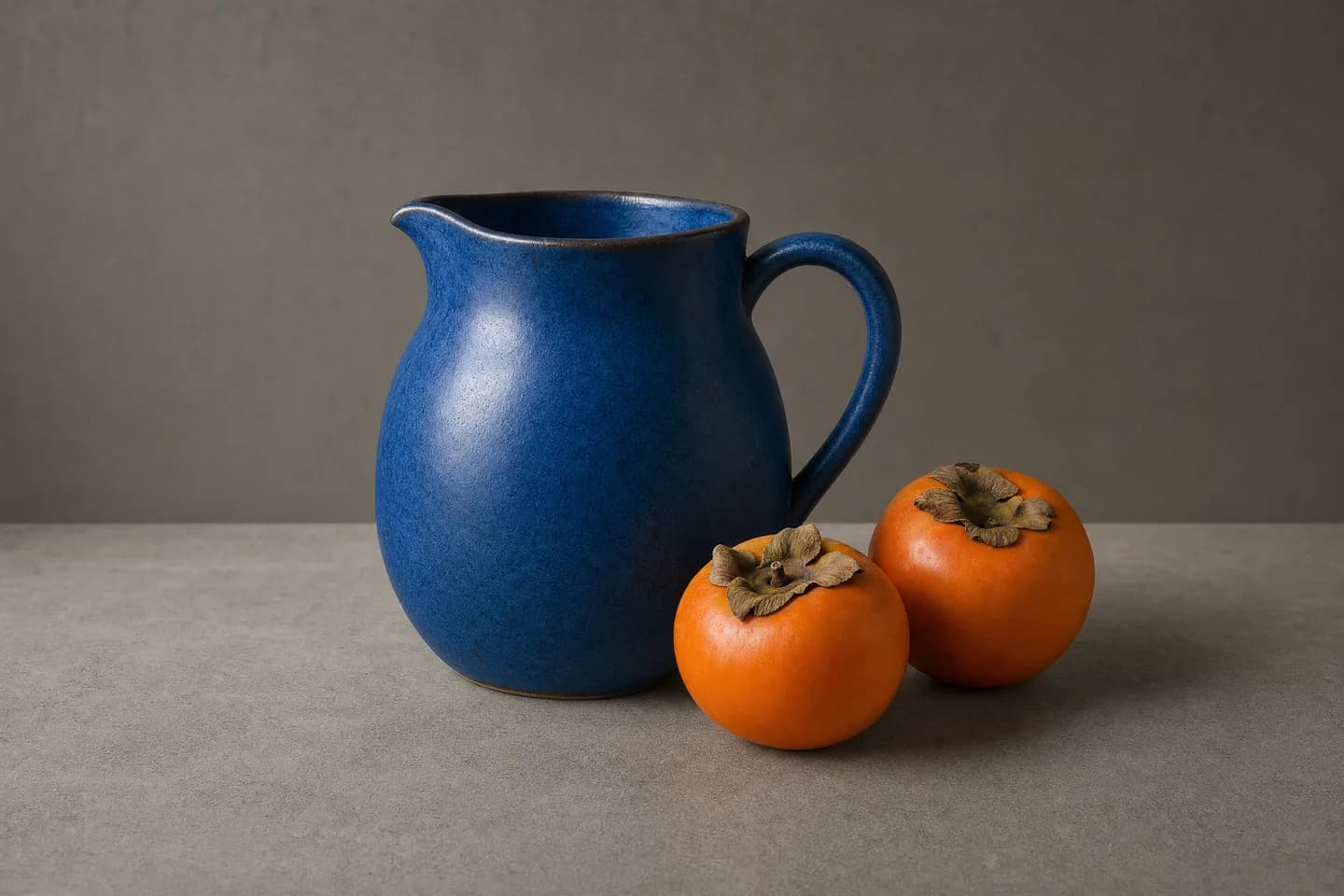
OpenAI

GPT-Image-2.5
GPT-Image-2.5 is available on APIXO for Image. The model page brings examples, creation controls, pricing, and results into one focused workspace.
ImageNew
10 Credits/pic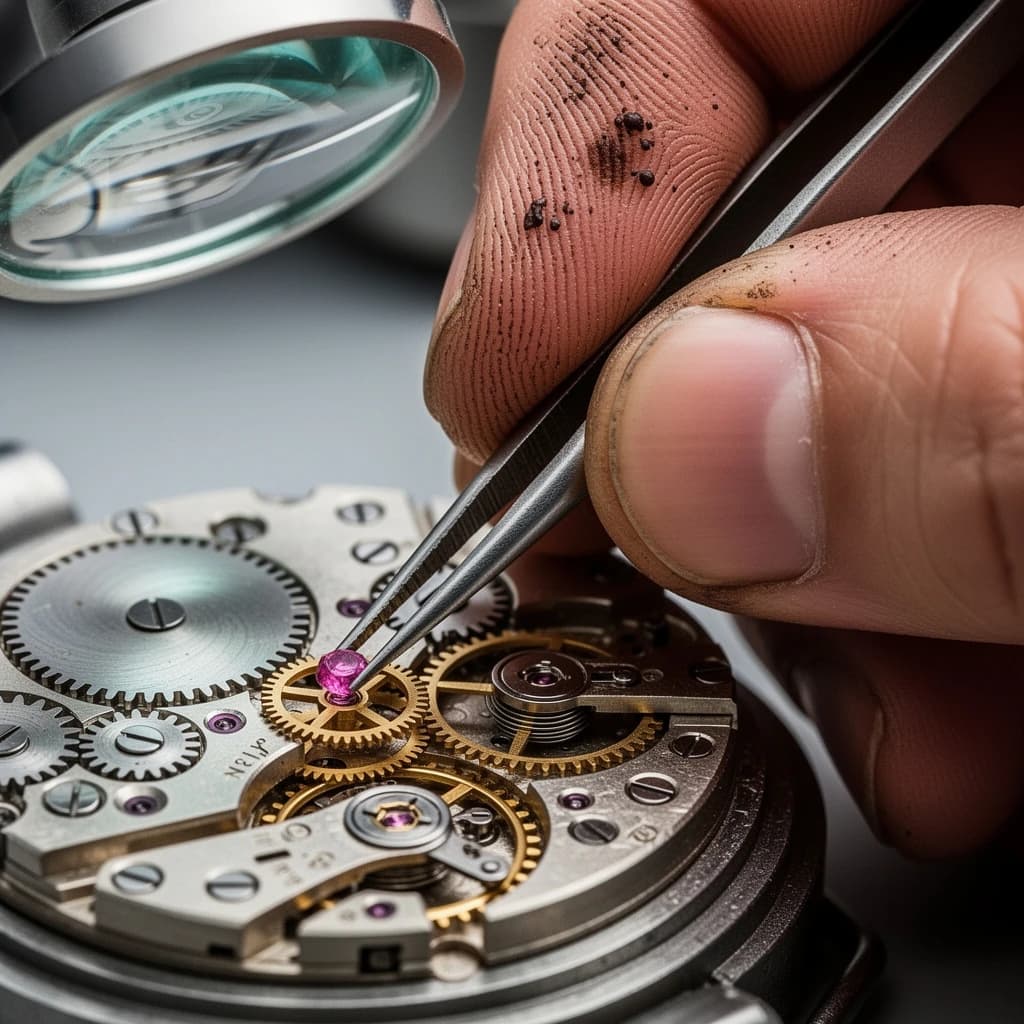
Black Forest Labs

Flux 2
Flux 2 is available on APIXO for Image. The model page brings examples, creation controls, pricing, and results into one focused workspace.
ImageNew
40 Credits/pic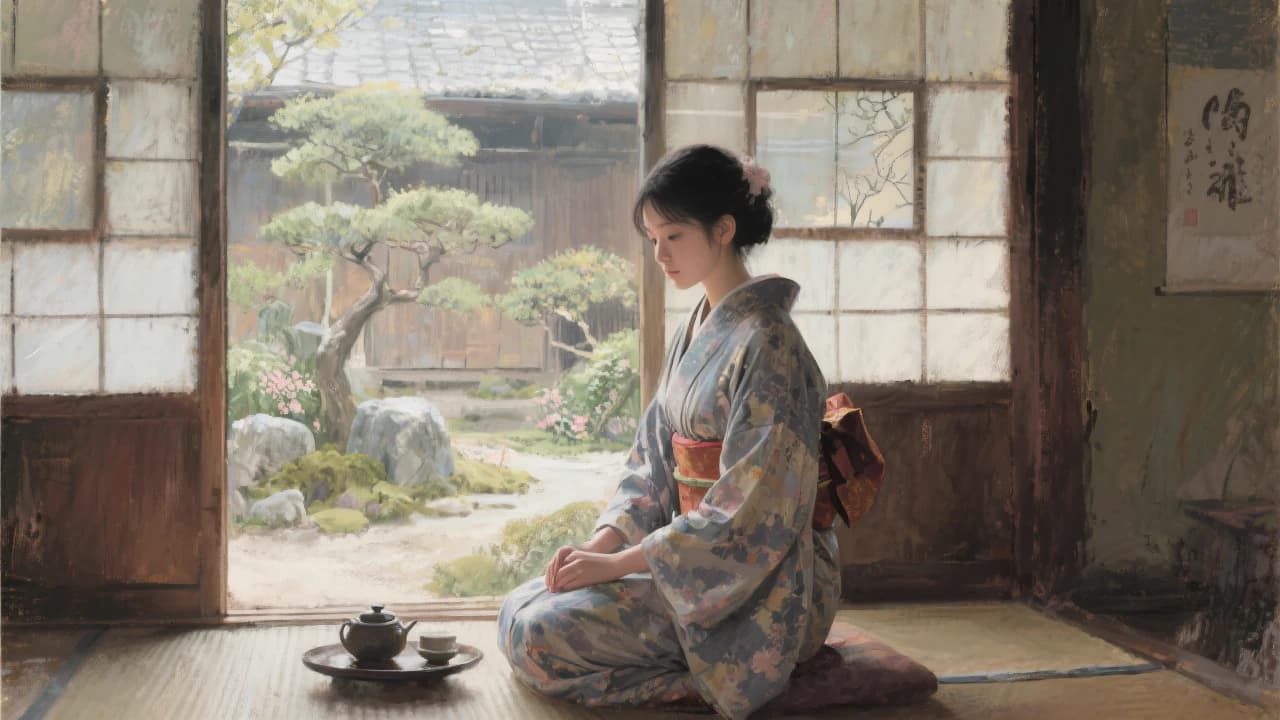
Black Forest Labs
Flux Kontext
Flux Kontext is available on APIXO for Image. The model page brings examples, creation controls, pricing, and results into one focused workspace.
Image
40 Credits/pic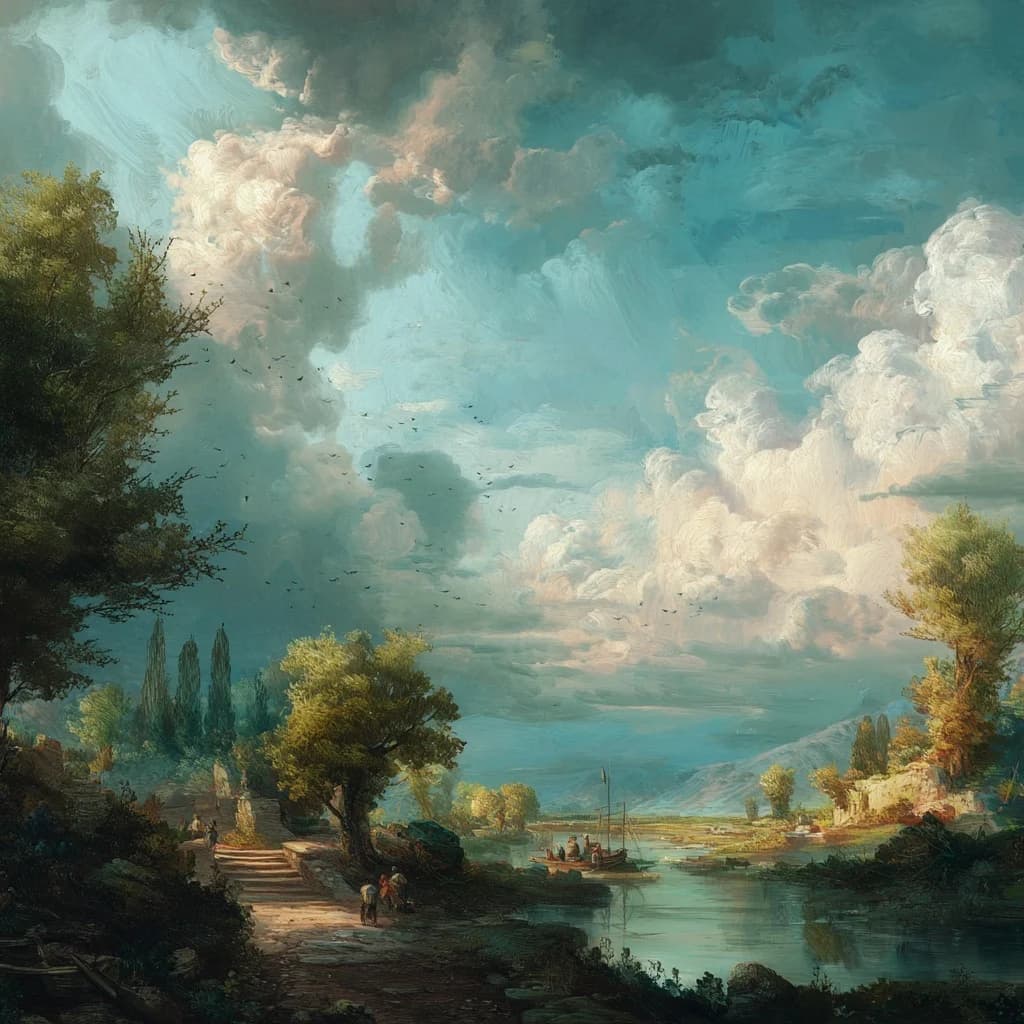
Midjourney

Midjourney
Midjourney is available on APIXO for Image. The model page brings examples, creation controls, pricing, and results into one focused workspace.
Image
100 Credits/request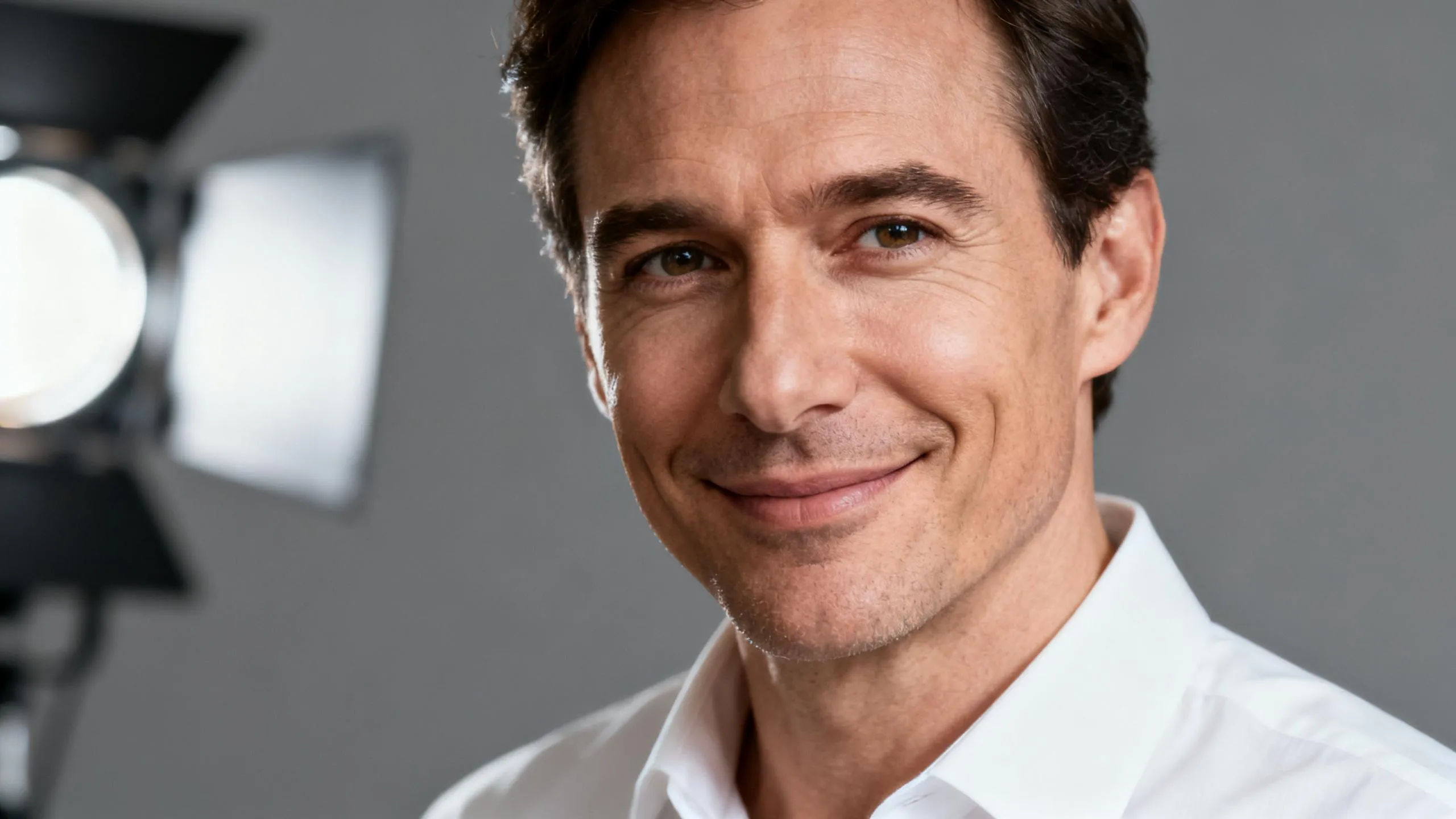
ByteDance

Seedream 5.0
Seedream 5.0 is available on APIXO for Image. The model page brings examples, creation controls, pricing, and results into one focused workspace.
ImageNew
35 Credits/pic