APIXO’s detailed documentation lists $0.03 per successfully generated image for both modes. One completed image costs $0.03, while four completed images cost $0.12. Partially completed tasks are billed according to the successful outputs returned.


Image GenerationText / Image InputUp to 4 Outputs
Wan 2.5 Image is APIXO’s still-image route for Alibaba’s Wan 2.5 generation and editing workflows. Create images from text or transform one to three references with prompt and negative-prompt guidance, mode-specific aspect ratios, and one to four requested variants per asynchronous task.
Workflows
Text / Image to Image
APIXO Price
$0.03 / Image
References
Up to 3 Images
Output Count
1–4 Images
Prompt
Up to 2,000 Characters
Create with Wan 2.5 Image
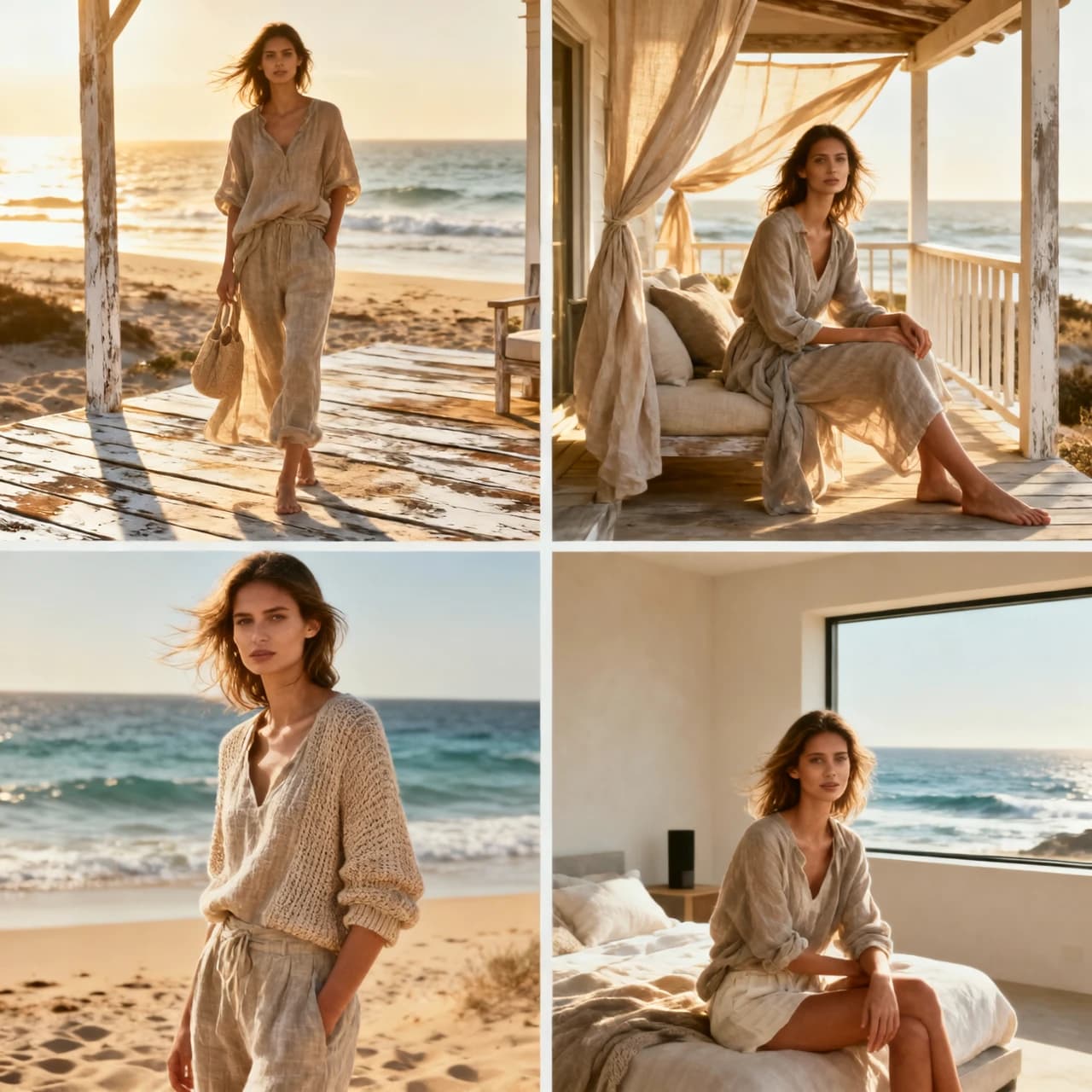
Capabilities
Explore concepts, edits, and reference combinations
Prompt-Led Generation
Describe subjects, settings, composition, lighting, materials, and visual style in Chinese or English to produce new still-image concepts without a source image.
Instruction-Based Editing
Submit existing imagery with a required instruction to transform its content or appearance. The workflow does not expose masks, layers, or bounding-box controls through APIXO.
Multi-Image Fusion
Combine visual information from up to three references for composition, subject, or style development, while allowing for variation in identity and reference relationships.
Negative Prompting
Add a negative prompt of up to 500 characters to discourage unwanted objects, visual defects, or stylistic traits during generation.
Variant Exploration
Request one to four alternatives in a task to compare interpretations, compositions, and treatments without assuming that every requested image will complete successfully.
Format-Aware Framing
Choose common square, portrait, or landscape ratios in both modes, with additional 2:3, 3:2, and 21:9 framing available for image-to-image.
Generation modes
Choose a blank canvas or reference-guided transformation
Text-to-Image
Start with a required, non-empty prompt and no source images. APIXO supports 1:1, 3:4, 4:3, 9:16, and 16:9 framing, plus one to four requested outputs and an optional negative prompt.
Prompt → Images
Image-to-Image
Provide one to three public images and a required instruction for editing, transformation, or fusion. This mode supports the five standard ratios plus 2:3, 3:2, and 21:9, but it does not guarantee exact identity, geometry, layout, text, or logo preservation.
References → Variants
Route details
Wan 2.5 Image specifications
Current inputs and output controls documented for APIXO’s still-image route.
2 Modes
Workflows
2,000 Characters
Prompt Limit
500 Characters
Negative Prompt
1–3 URLs
References
1–4
Requested Images
Async / Callback
Delivery
Production uses
Develop visual directions across practical workflows
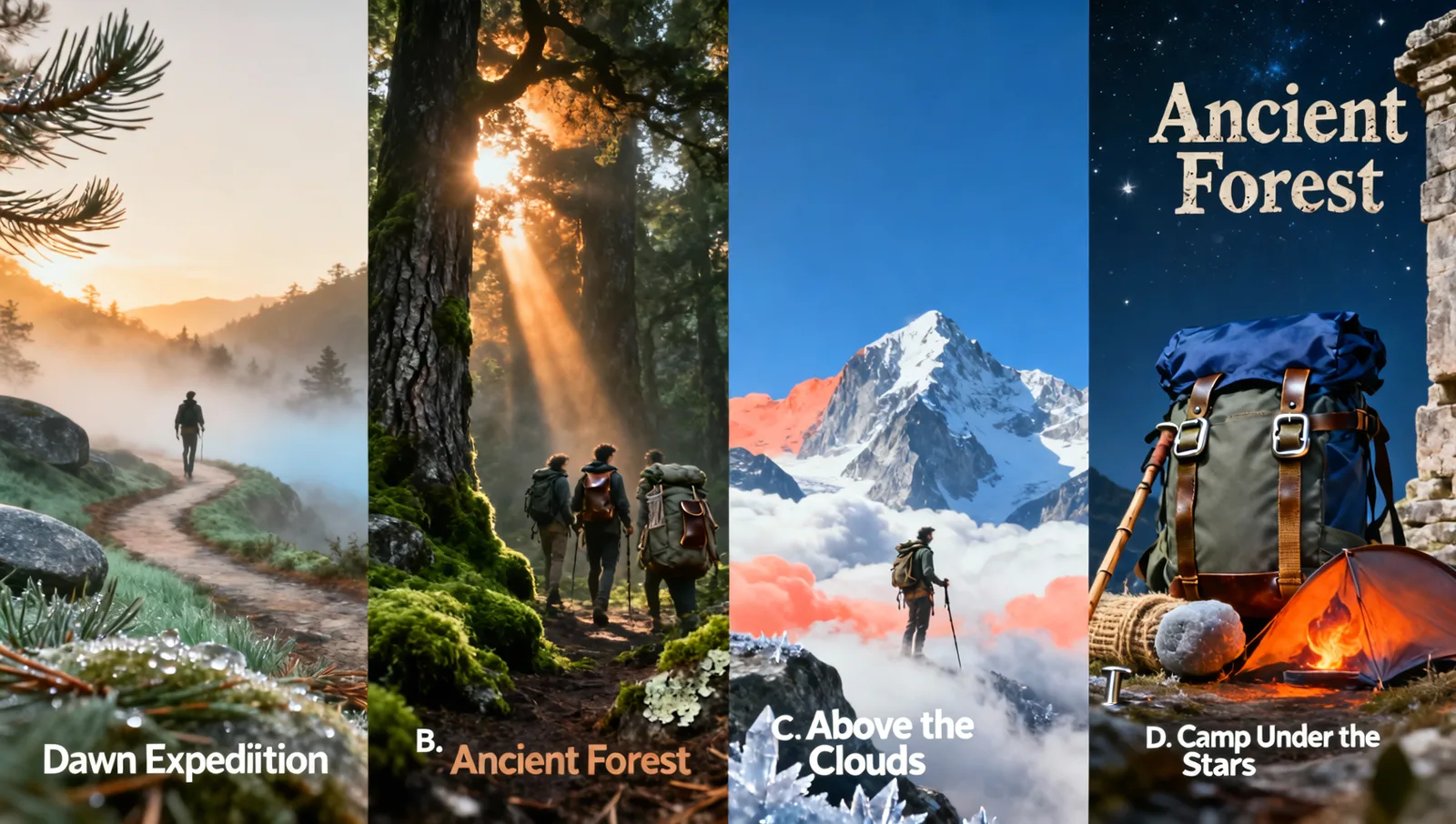
Campaign ideation
Explore Creative Variants
Generate several interpretations of a campaign brief for mood boards, pitch decks, and early art direction. Compare outputs for composition, style, and brand fit before moving selected concepts into production.
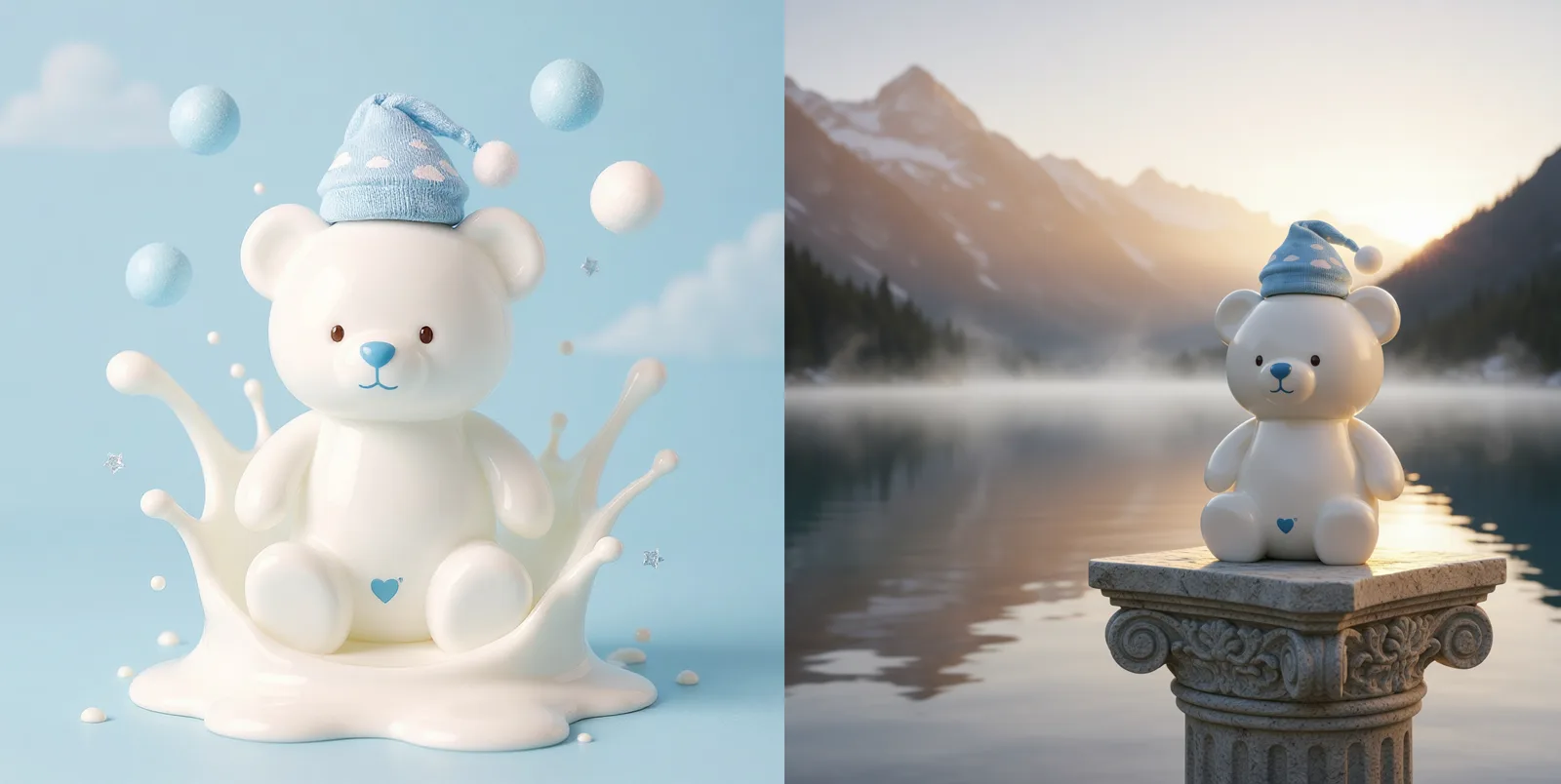
Product imagery
Develop Ecommerce Scenes
Use product references to explore alternate settings, lighting, and promotional compositions. Review proportions, materials, labels, logos, and small construction details against approved product assets before publishing.
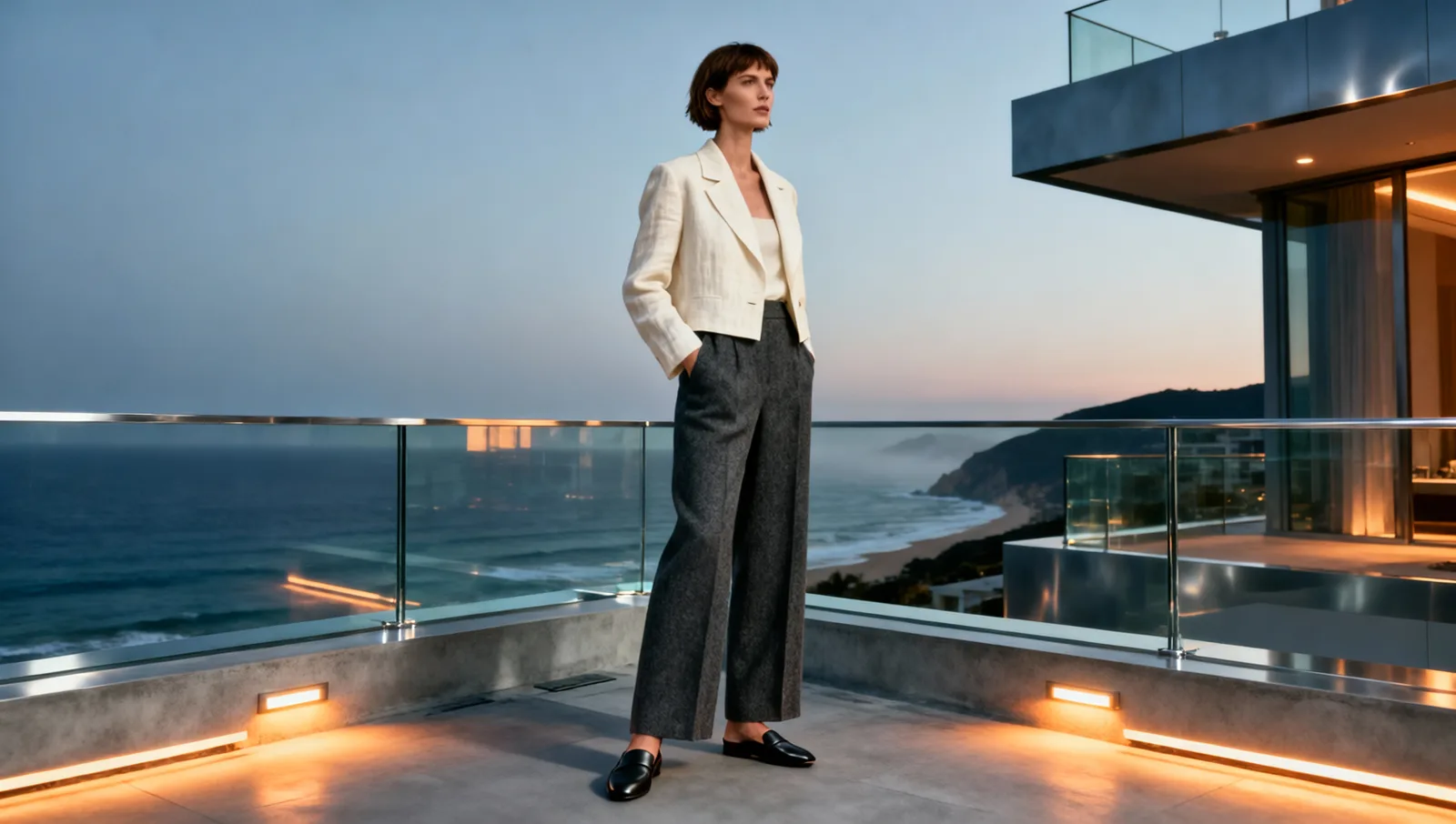
Visual development
Combine Reference Directions
Bring subject, composition, color, or stylistic cues from several images into one exploratory result. Use clear prompt language to explain each reference’s intended role and expect some compositional drift.
Design exploration
Test Posters and Key Art
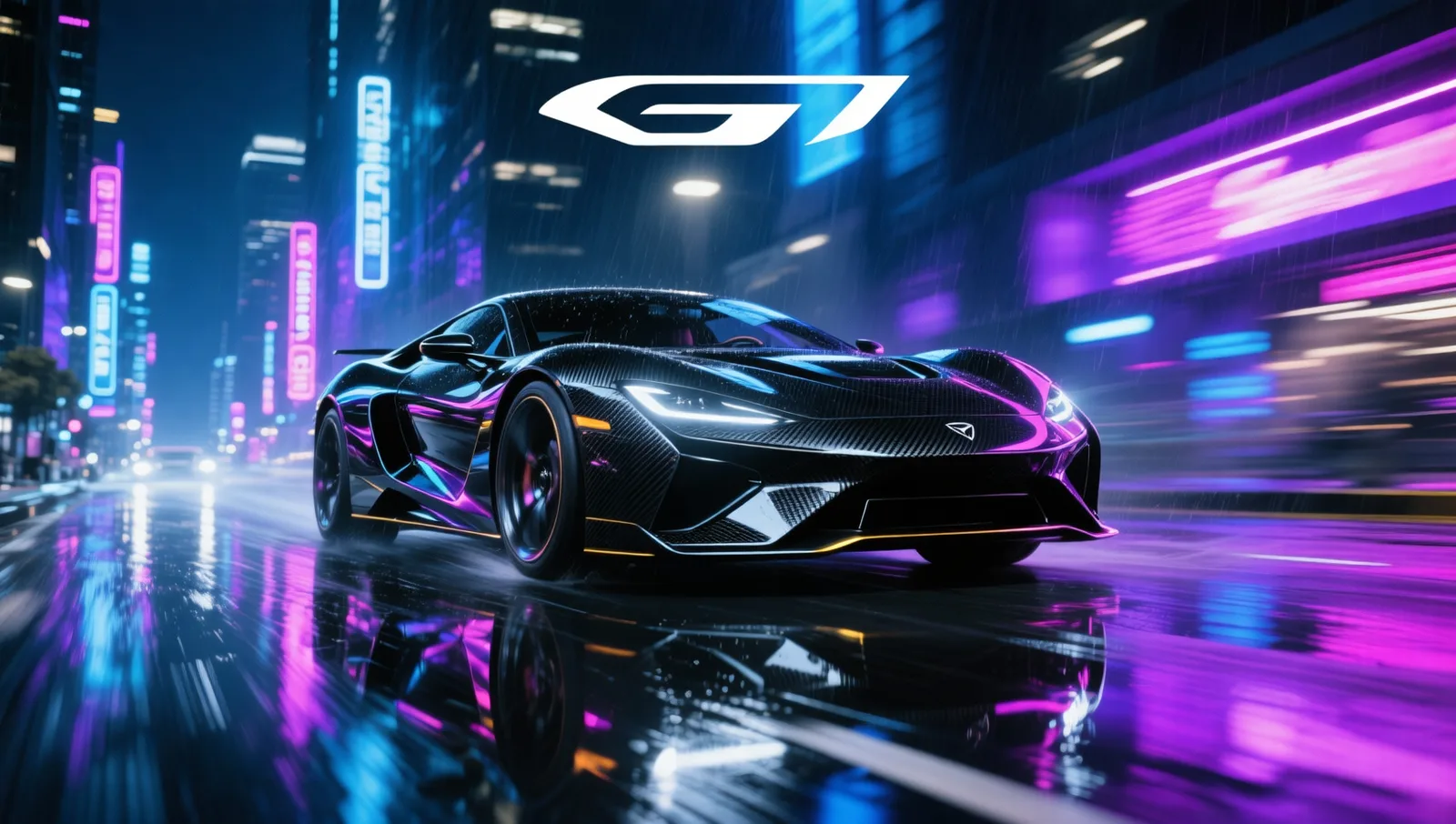
Iterate on poster layouts, illustration treatments, social creative, and key-art concepts across portrait, landscape, and ultrawide formats. Add final typography and exact brand marks in a conventional design tool.
Notes and FAQ
Input rules, billing, and review guidance
Before you generate
01
wan-2-5-image is a still-image route only; it does not include Wan 2.5 video generation, audio, duration, or motion controls.
02
APIXO exposes text-to-image and image-to-image under one product route but does not publicly confirm its internal mapping to Alibaba’s wan2.5-t2i-preview and wan2.5-i2i-preview IDs.
03
Image-to-image requires one to three public JPEG, JPG, non-alpha PNG, BMP, or WebP URLs with width and height between 384 and 5,000 pixels. Keep every URL directly accessible while the task runs.
04
APIXO recommends the first status poll after approximately 10–15 seconds. Continue with a moderate polling interval or use callback delivery; no fixed generation-time SLA is published.
05
Successful image URLs are stored in resultJson.resultUrls. A task can succeed with fewer URLs than requested when only part of the batch completes.
06
Review identity, anatomy, hands, object relationships, product proportions, embedded text, logos, reference fidelity, and unwanted additions. Use only source material you have permission to process.
Frequently asked questions
No. Four is the API default when num_images is omitted, not a completion guarantee. You may request one, two, three, or four images, and a partially successful task can return fewer URLs than requested.
APIXO documents the same per-successful-image rate for text-to-image and image-to-image. No separate public fee is listed for reference count, aspect ratio, or callback delivery.
APIXO exposes aspect-ratio selection but does not document custom pixel dimensions, 1K or 2K presets, transparent output, or a selectable file format on this route. Alibaba identifies PNG as the upstream output format, but APIXO returns result URLs rather than a format control.
No. References can guide editing and fusion, but exact faces, product geometry, composition, text, logos, and style relationships are not guaranteed. Deterministic seed control, masks, inpainting, outpainting, and formal subject- or style-reference modes are not exposed by APIXO.
Explore Other Models
Discover more AI models for your next creative workflow
Alibaba


Wan 2.6 Image
Wan 2.6 Image is available on APIXO for Image. The model page brings examples, creation controls, pricing, and results into one focused workspace.
ImageNew
$0.04/pic Image
Image
Alibaba

Wan 2.7 Image
Wan 2.7 Image is available on APIXO for Image. The model page brings examples, creation controls, pricing, and results into one focused workspace.
ImageNew
$0.03/pic
ByteDance

Seedream 5.0
Seedream 5.0 is available on APIXO for Image. The model page brings examples, creation controls, pricing, and results into one focused workspace.
ImageNew
$0.035/pic
ByteDance
Seedream 5.0 Pro
Seedream 5.0 Pro is available on APIXO for Image. The model page brings examples, creation controls, pricing, and results into one focused workspace.
ImageNew
$0.045/pic
Black Forest Labs

Flux 2
Flux 2 is available on APIXO for Image. The model page brings examples, creation controls, pricing, and results into one focused workspace.
ImageNew
$0.04/pic