APIXO positions the Pro route as the higher-fidelity option for image generation and editing, particularly for typography-heavy, layout-sensitive, and visually dense creative work.

Qwen Image 3.0 Pro
High-Fidelity ImageTypographyImage Editing
Qwen Image 3.0 Pro is Alibaba’s higher-fidelity image generation and editing model for typography-heavy, layout-sensitive, and reference-guided creative work. On APIXO, it supports text-to-image and image-to-image workflows with 1–3 reference images, 1k or 2k output, and controls for aspect ratio, prompt expansion, and seed.
Modalities
Text-to-Image / Image-to-Image
Price
$0.04 / Image
Resolution
1k / 2k
Output
1–6 images / task
Released
Mar 17, 2026
Create with Qwen Image 3.0 Pro
Capabilities
What Qwen Image 3.0 Pro brings to visual production
Higher-Fidelity Output
Use the Pro route when final image detail, layout quality, and visual refinement matter more than rapid exploratory generation.
Typography & Dense Layouts
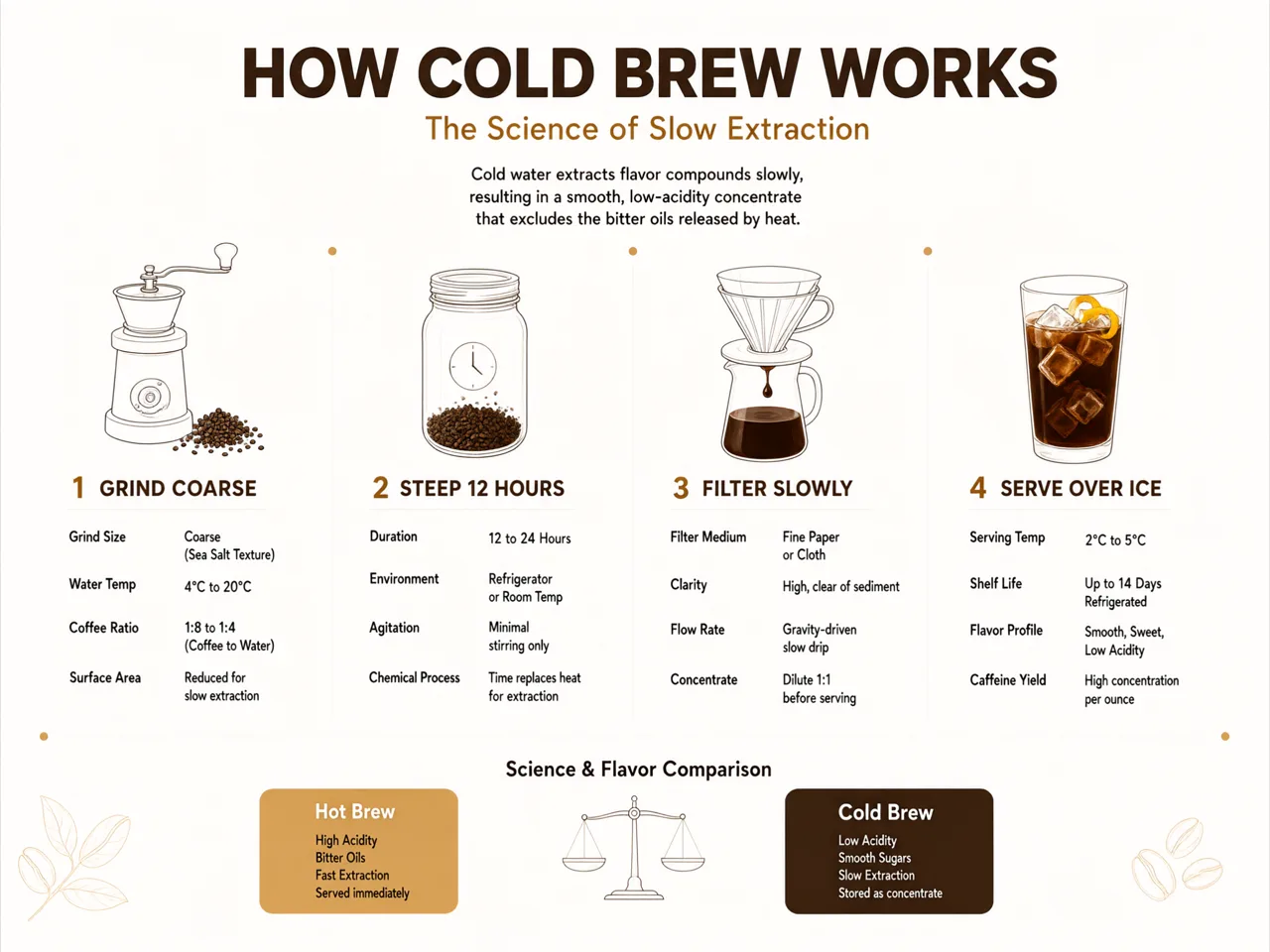
Create posters, menus, covers, interface concepts, and information-heavy graphics where readable text and structured composition are central to the result.
Reference-Guided Editing
Supply one to three reference images to guide product appearance, composition, scene structure, styling, or visual direction while applying prompt-led changes.
Multilingual Text Rendering
Upstream documentation highlights support for multiple languages, small visible text, and varied font styles, making the model useful for editorial and marketing graphics.
Layout-Aware Generation
Build compositions that combine text, images, panels, interface elements, or nested visual content while maintaining clearer hierarchy and spatial organization.
Generation Controls
APIXO exposes aspect ratio, resolution, prompt expansion, and seed controls so teams can tune framing, output size, and repeatability within the same route.
APIXO Workflows
Write a prompt, or hand the model up to three references
Text-to-Image
Send a prompt with an optional framing preset and resolution tier. Request one to six images per task at $0.04 each at 1K, or $0.075 at 2K. Prompt expansion, negative prompt, watermark and a seed are the other knobs.
Create from text
Image-to-Image
Supply one to three reference image URLs plus an instruction of up to 800 characters. Pricing starts at $0.043 at 1K and $0.078 at 2K, and every additional reference image adds $0.003. Leave the ratio on Auto to keep the first reference image’s proportions.
Edit with references
Details
Qwen Image 3.0 Pro specifications
Core parameters currently exposed through APIXO.
Prompt / 1–3 Images
Input
Text-to-Image / Image-to-Image
Workflows
1–6 Images / Task
Output
1–3
Reference Images
1k / 2k
Resolution
1:1 to 21:9
Aspect Ratio
Use Cases
Production work suited to Qwen Image 3.0 Pro
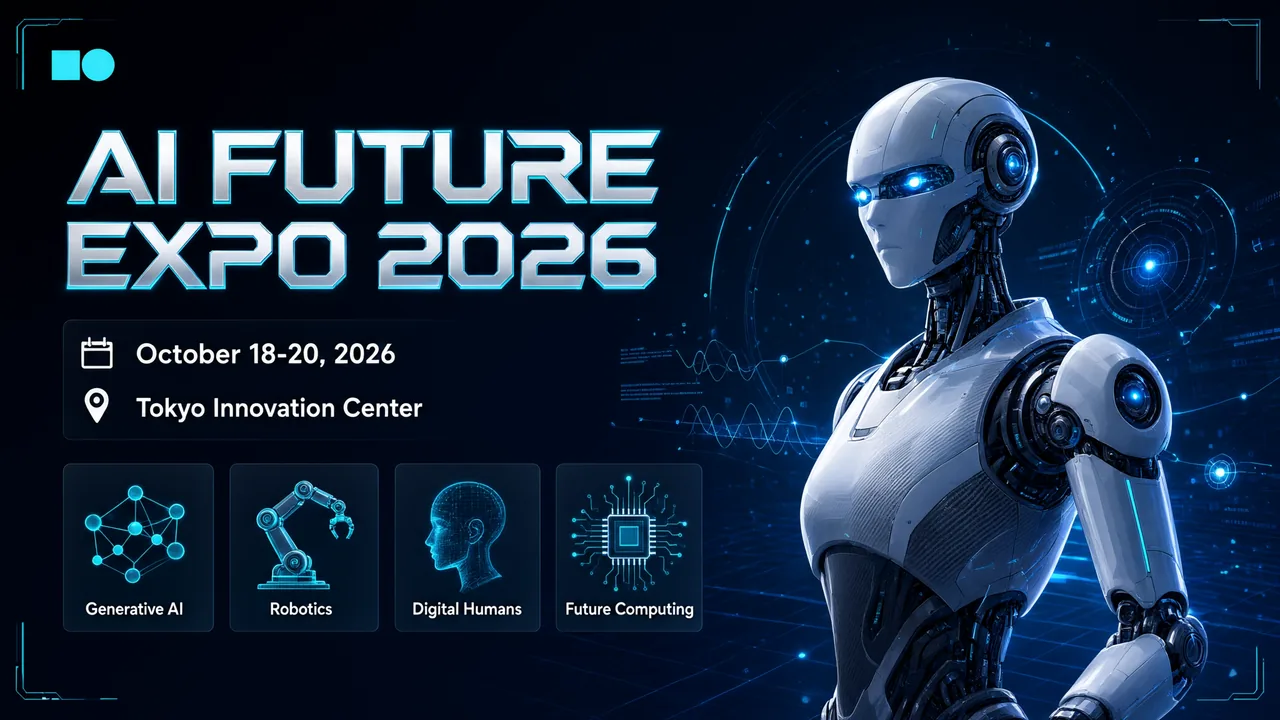
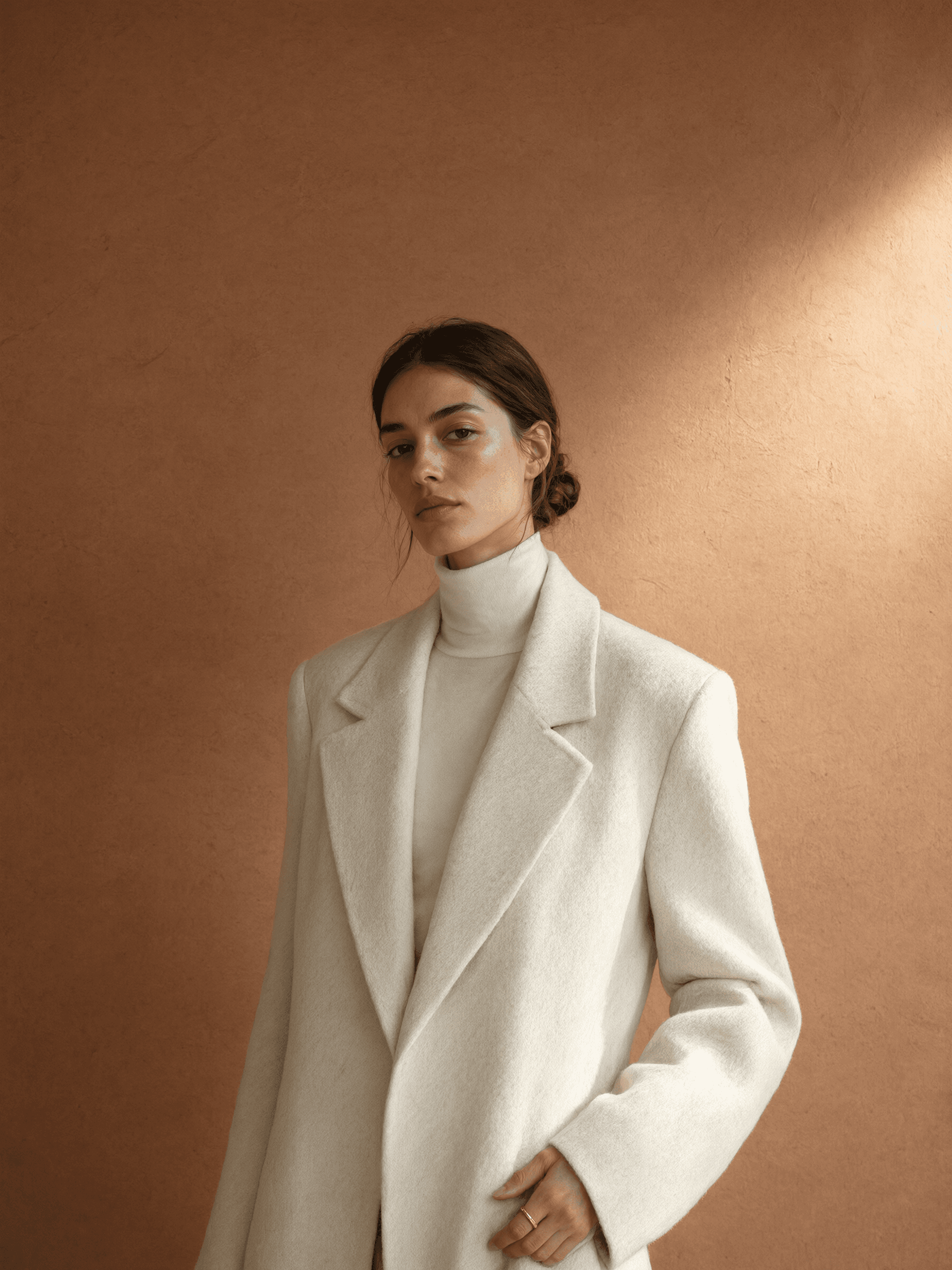
Poster & Editorial
Typography-Heavy Campaign Assets
Create posters, flyers, covers, menus, and campaign graphics where visible text, visual hierarchy, and dense composition need to work together in a single generated image.
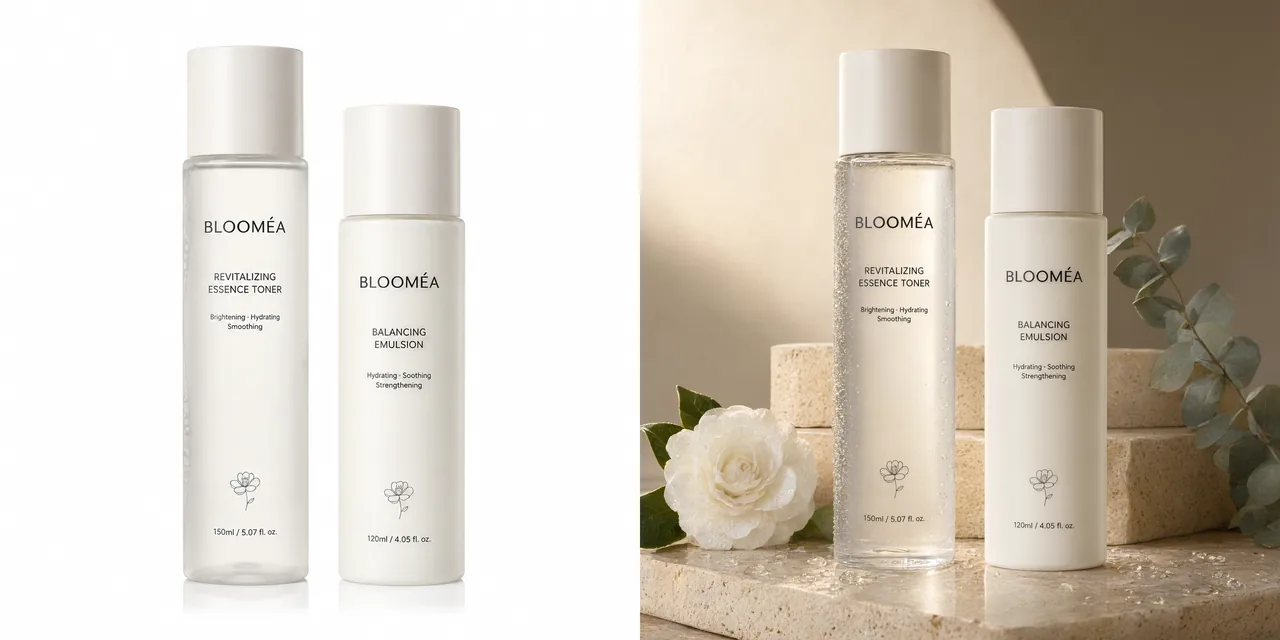
Product Marketing
Product & Ecommerce Visuals
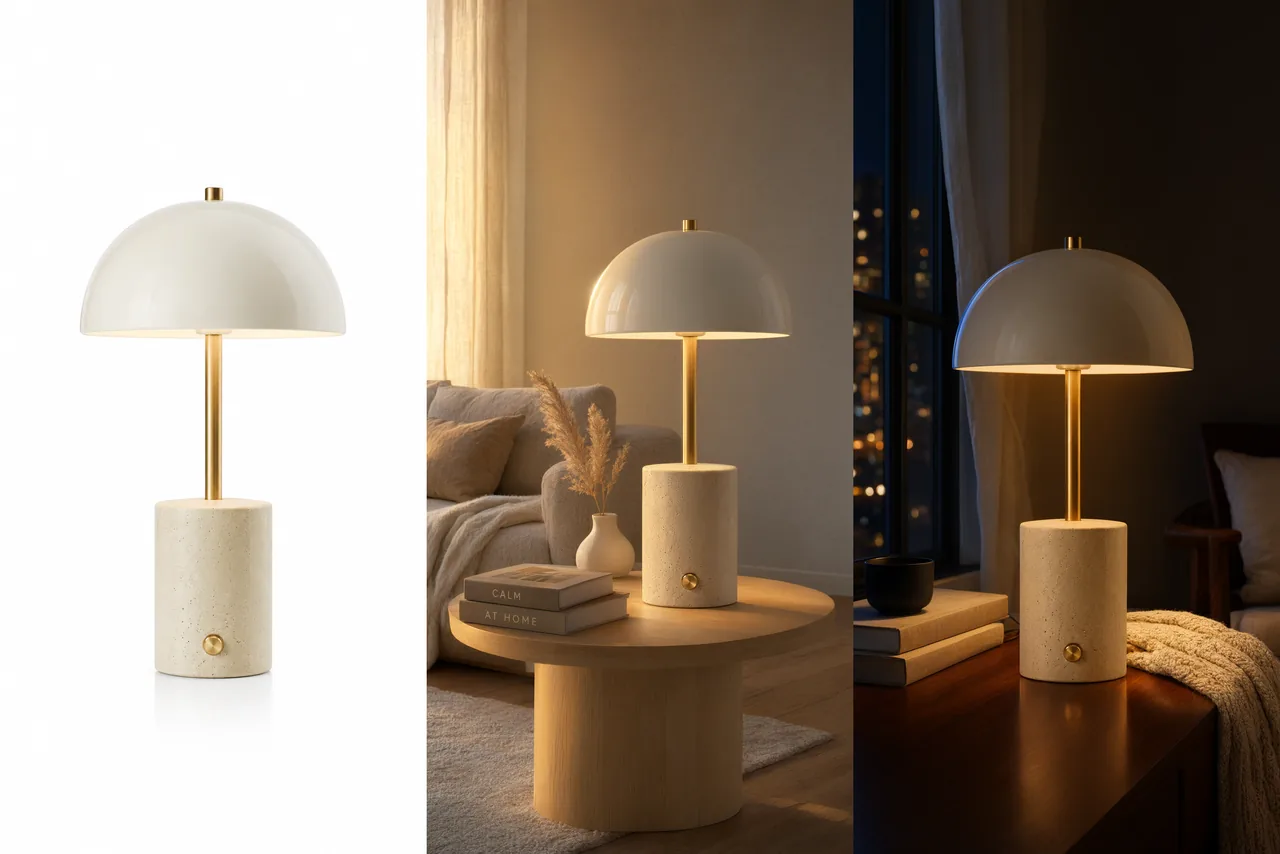
Generate polished product scenes or refine existing imagery with reference-guided changes to lighting, background, composition, framing, and promotional treatment.
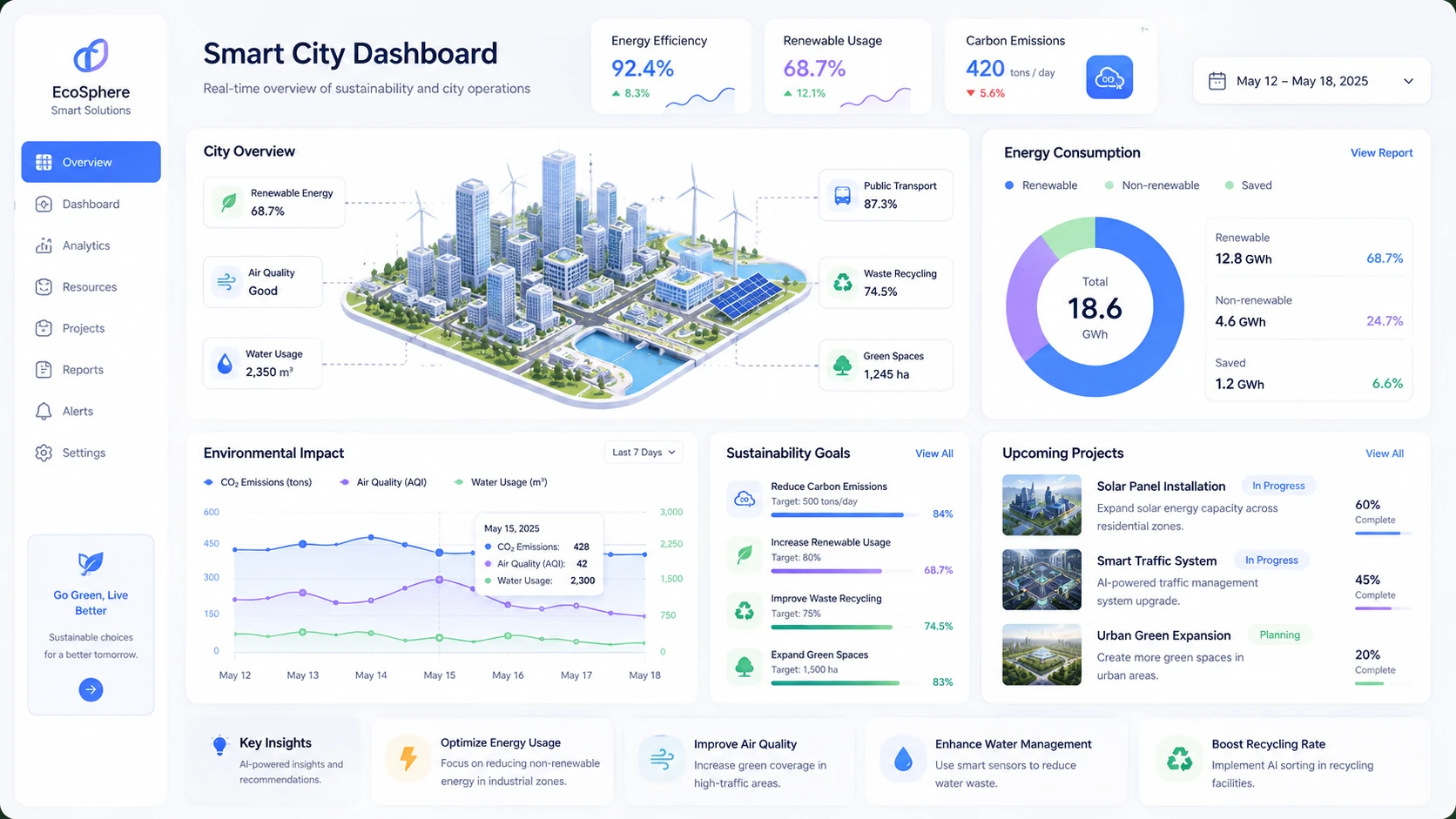
Interface Concepts
UI, Dashboard & Presentation Graphics
Explore interface-style layouts, dashboards, diagrams, presentation graphics, and information-rich concepts that combine structured labels with visual elements.
Brand Adaptation
Reference-Guided Creative Refresh
Use one to three reference images to preserve useful product, scene, or stylistic cues while changing environment, palette, layout, lighting, or campaign direction.
Quick Start
How to get started with Qwen Image 3.0 Pro on APIXO
Move from prompt prototyping to reference-guided delivery.
01
Prototype the prompt
Start with a text prompt and choose the aspect ratio and resolution that fit the target asset before submission.
02
Submit a generation task
Choose text-to-image for prompt-only creation or image-to-image for one-to-three reference images and guided editing.
03
Poll or receive a callback
Use the status endpoint for async polling or switch to callback delivery to receive the final image URL when the task completes.
Notes & FAQ
Qwen Image 3.0 Pro generation guidance
Notes
01
Image-to-image requires one to three public, directly fetchable image URLs.
02
The image-to-image prompt is limited to 800 characters.
03
Text-to-image defaults to a 1:1 aspect ratio when none is supplied; image-to-image follows the first reference image ratio when aspect ratio is omitted.
04
APIXO returns between one and six generated images per accepted task, matching the requested count.
05
Reference images guide composition, product appearance, identity, style, and layout but do not guarantee exact preservation of logos, typography, geometry, materials, or fine construction details.
Frequently Asked Questions
APIXO exposes text-to-image and image-to-image workflows through the qwen-image-3-0-pro route.
Image-to-image accepts one to three public image URLs in a single request.
APIXO currently exposes 1k and 2k output options for Qwen Image 3.0 Pro.
Yes. The upstream model is specifically positioned around stronger visible-text rendering and dense visual layouts, making it suitable for posters, editorial graphics, menus, interface concepts, and other text-rich compositions.
Explore Other Models
Discover more AI models for your next creative workflow
Alibaba


Qwen Image 3.0
Qwen Image 3.0 is available on APIXO for Image. The model page brings examples, creation controls, pricing, and results into one focused workspace.
ImageNew
$0.03/pic Image
Image
ByteDance


Seedream 5.0 Pro
Seedream 5.0 Pro is available on APIXO for Image. The model page brings examples, creation controls, pricing, and results into one focused workspace.
ImageNew
$0.045/pic
Google

Nano Banana Pro
Nano Banana Pro is available on APIXO for Image. The model page brings examples, creation controls, pricing, and results into one focused workspace.
Image
$0.08/pic
Black Forest Labs

Flux 2
Flux 2 is available on APIXO for Image. The model page brings examples, creation controls, pricing, and results into one focused workspace.
ImageNew
$0.04/pic
OpenAI

GPT-Image-2
GPT-Image-2 is available on APIXO for Image. The model page brings examples, creation controls, pricing, and results into one focused workspace.
ImageNew
$0.03/pic